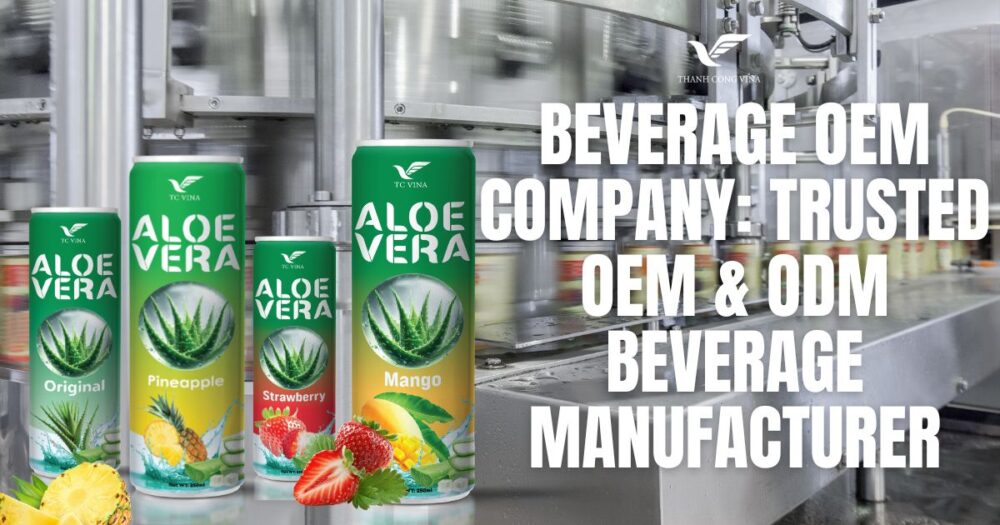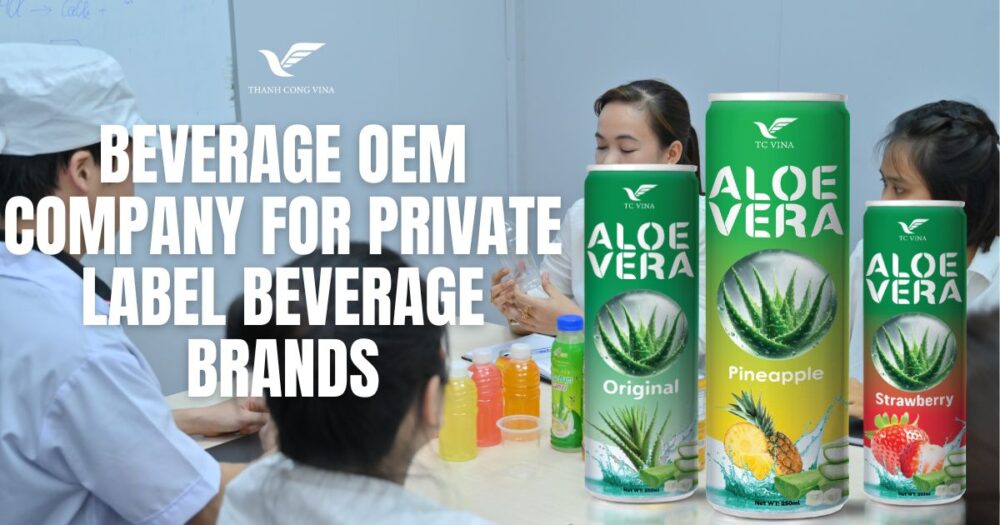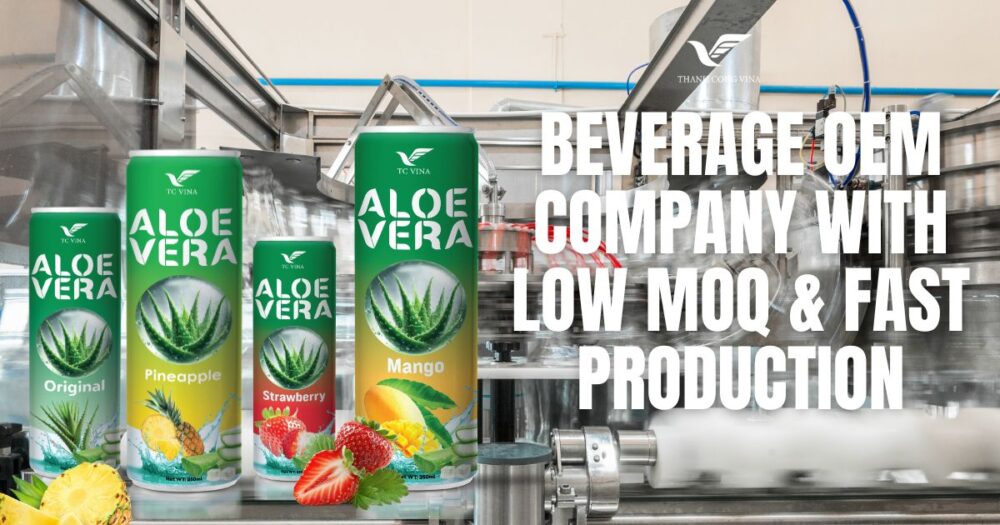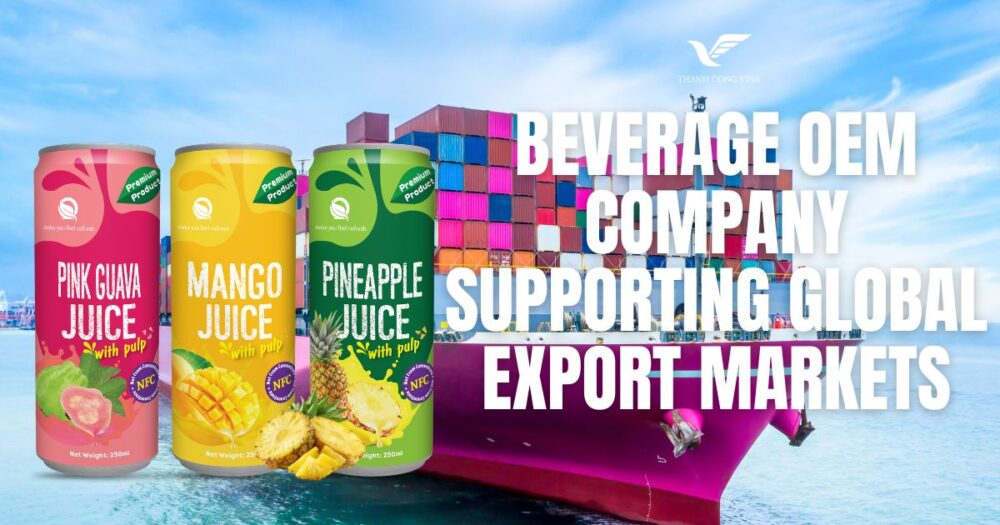

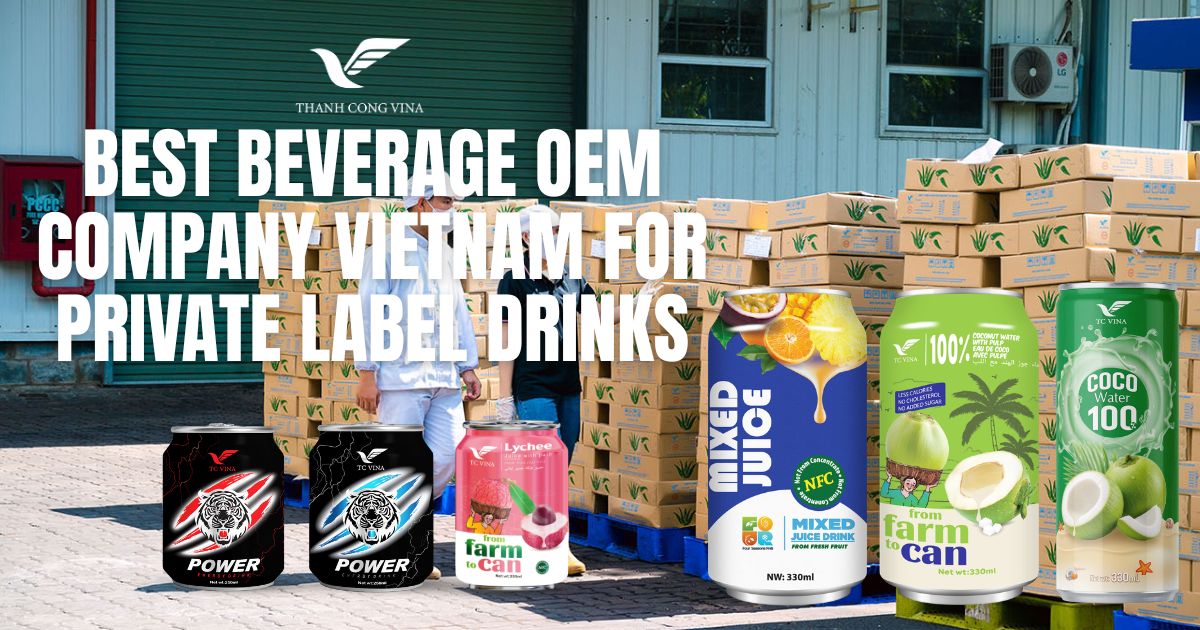
Choosing the right Beverage OEM Company Vietnam can make a significant difference when launching a private label beverage brand in international markets. Instead of investing heavily in production facilities, specialized equipment, research laboratories, quality control systems, and manufacturing personnel, businesses can work with an experienced OEM partner to develop and produce beverages under their own brand names. This model is increasingly attractive to beverage startups, retailers, importers, distributors, supermarkets, hospitality companies, and established FMCG brands seeking faster product development and more flexible manufacturing.
Vietnam has become an increasingly competitive destination for beverage manufacturing due to its abundant tropical agricultural resources, growing food-processing industry, skilled workforce, modern production technologies, and strategic access to Asian and international markets. A professional Vietnamese manufacturer can support a wide range of private label products, including fruit juice, juice concentrate beverages, coconut water, aloe vera drinks, coffee, tea, functional beverages, and other ready-to-drink products. More importantly, experienced manufacturers can integrate formulation, ingredient sourcing, production, packaging, quality assurance, and export support into one streamlined process.
1. Why Choose a Beverage OEM Company Vietnam for Private Label Drinks?
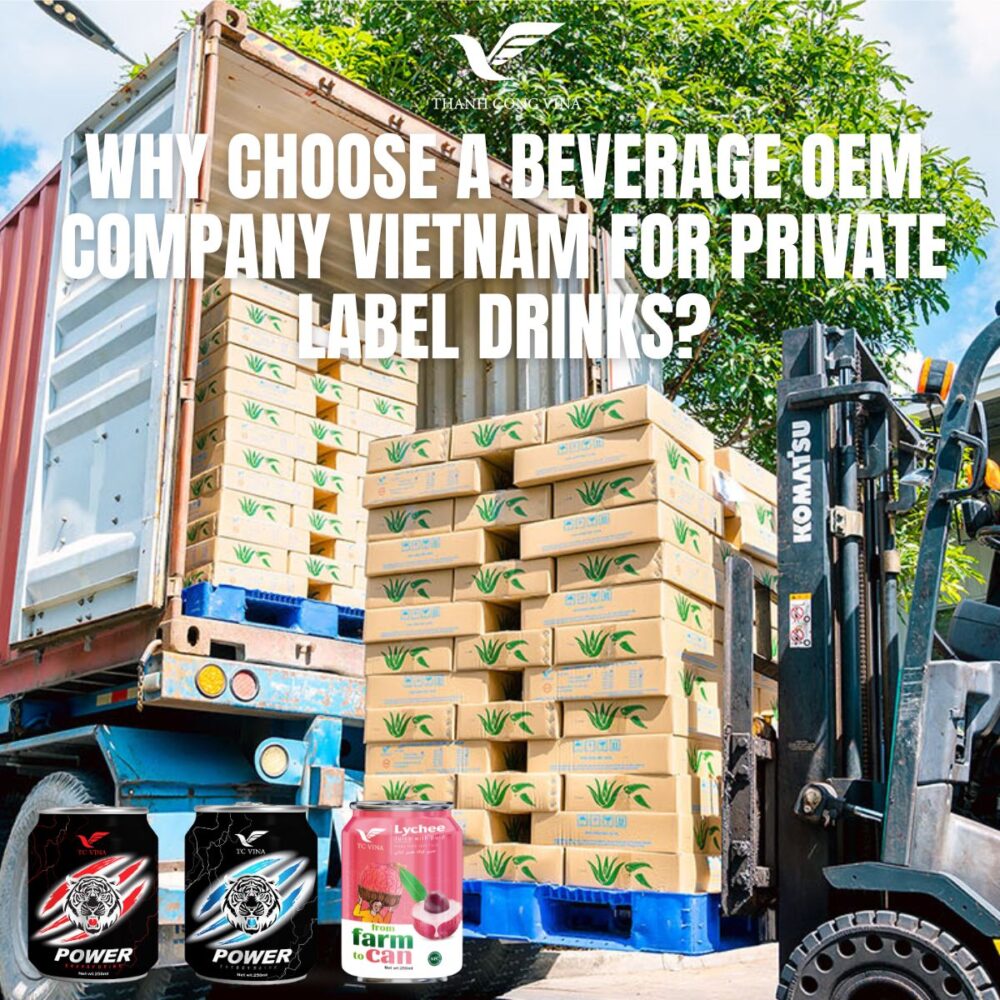
Why Choose a Beverage OEM Company Vietnam for Private Label Drinks?
Private label beverage production allows businesses to build their own brands without owning or operating a manufacturing facility. Instead of spending capital on production lines, sterilization systems, filling equipment, warehouses, laboratories, and specialized personnel, brand owners can use the capabilities of an established manufacturer.
Lower Investment Requirements
Establishing an independent beverage factory requires substantial capital expenditure. Production equipment represents only one part of the investment. Companies must also consider land, utilities, food safety systems, laboratories, maintenance, staffing, certifications, wastewater treatment, warehousing, and ongoing operational costs.
Working with a Beverage OEM Company Vietnam allows businesses to access existing infrastructure without making the same level of investment. This makes private label manufacturing particularly attractive for startups and companies testing new beverage concepts.
Instead of building manufacturing capabilities from the ground up, brands can allocate more resources to product positioning, marketing, distribution, sales, and customer acquisition.
Faster Product Development
Speed is another major advantage of OEM manufacturing. Beverage brands often need to respond quickly to consumer trends, seasonal demand, or new market opportunities.
An experienced manufacturer already has R&D teams, production facilities, ingredient suppliers, packaging networks, and quality systems in place. This infrastructure can significantly shorten the journey from concept to commercial production.
For example, a company interested in launching a tropical fruit beverage can work with an established Vietnamese manufacturer to evaluate fruit ingredients, develop a formulation, test samples, select packaging, and prepare commercial production.
Flexible Private Label Solutions
Private label manufacturing does not mean that every product must follow the same formula. Professional OEM manufacturers can customize beverages according to the requirements of individual brands.
Customization may include:
- Beverage formulation
- Fruit content
- Sweetness level
- Flavor profile
- Nutritional targets
- Packaging size
- Packaging material
- Label design
- Product positioning
- Target-market requirements
This flexibility enables brands to create distinctive products instead of competing solely through price.
Access to Manufacturing Expertise
Beverage production requires specialized knowledge. Factors such as acidity, heat treatment, filling temperature, ingredient interaction, shelf life, packaging compatibility, and microbiological stability can influence the final product.
A reliable manufacturing partner provides access to experienced technical specialists who understand these challenges.
For private label brands, this expertise can reduce development risks and improve the likelihood of creating a stable, commercially viable beverage.
2. Product Development and Custom Beverage Formulation
A successful private label beverage begins with a strong formulation. Consumers expect products to deliver consistent taste, attractive appearance, reliable quality, and appropriate nutritional characteristics.
From Concept to Formula
A professional Beverage OEM Company Vietnam begins by understanding the commercial concept behind the product.
The manufacturer may evaluate the target consumer, intended market, beverage category, retail positioning, price expectations, packaging format, desired ingredients, and product claims.
This information provides the foundation for the R&D team to create an appropriate formulation.
For example, a premium fruit beverage may emphasize high fruit content and natural positioning, while a mainstream product may focus on affordability and broad consumer appeal.
Ingredient Selection
Ingredient quality has a direct impact on beverage performance.
Vietnam provides access to many tropical ingredients, including mango, pineapple, passion fruit, coconut, dragon fruit, guava, lychee, orange, aloe vera, and other agricultural products. Local ingredient availability can support product development while providing opportunities for authentic Vietnamese-inspired flavors.
Ingredient selection must consider more than taste. Manufacturers also evaluate stability, processing behavior, availability, food safety, cost, and regulatory requirements.
R&D and Sample Development
Once the initial concept has been defined, the R&D team develops laboratory samples.
Different versions may be tested to optimize sweetness, acidity, fruit intensity, aroma, mouthfeel, color, and overall sensory performance.
The process can involve multiple rounds of sampling. Feedback from the brand owner is incorporated into subsequent versions until the product meets the agreed specifications.
Pilot Production
Laboratory success does not automatically guarantee commercial success.
Pilot production is therefore important before full-scale manufacturing. A pilot batch allows technical teams to evaluate how the formulation behaves under production conditions.
Potential issues such as separation, sedimentation, viscosity changes, filling performance, thermal stability, or packaging interaction can be identified and corrected before commercial production.
Shelf-Life and Stability
Private label beverages must remain safe and acceptable throughout their intended shelf life.
Manufacturers can conduct stability assessments to evaluate changes in taste, color, texture, pH, microbiological quality, and packaging integrity over time.
This information helps determine appropriate storage conditions and product specifications for the target market.
3. Manufacturing Quality and International Food Safety Standards
Manufacturing Quality and International Food Safety Standards
Private label brands depend heavily on product consistency. A product that performs well during its first production run must continue delivering the same experience across subsequent batches.
Controlled Manufacturing Processes
A professional Beverage OEM Company Vietnam uses documented manufacturing procedures to control each stage of production.
Depending on the beverage category, the process may involve raw material preparation, extraction, blending, filtration, homogenization, pasteurization, UHT processing, sterilization, filling, sealing, coding, and packaging.
Each stage is monitored according to defined specifications.
Quality Control from Raw Materials to Finished Products
Quality assurance starts before production begins.
Incoming ingredients and packaging materials should be inspected against approved specifications. During production, technical teams monitor relevant parameters to ensure that the beverage remains within established requirements.
Finished products can undergo additional checks before release.
These systems help protect the consistency of:
- Taste
- Aroma
- Color
- pH
- Brix
- Filling volume
- Microbiological quality
- Packaging integrity
- Product appearance
International Certifications
International beverage buyers often require manufacturers to operate under recognized food safety and quality management systems.
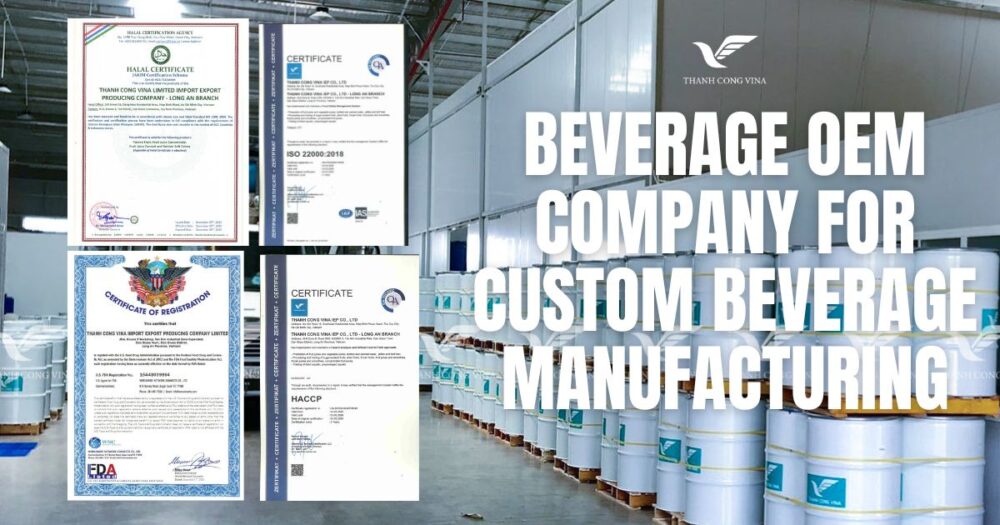
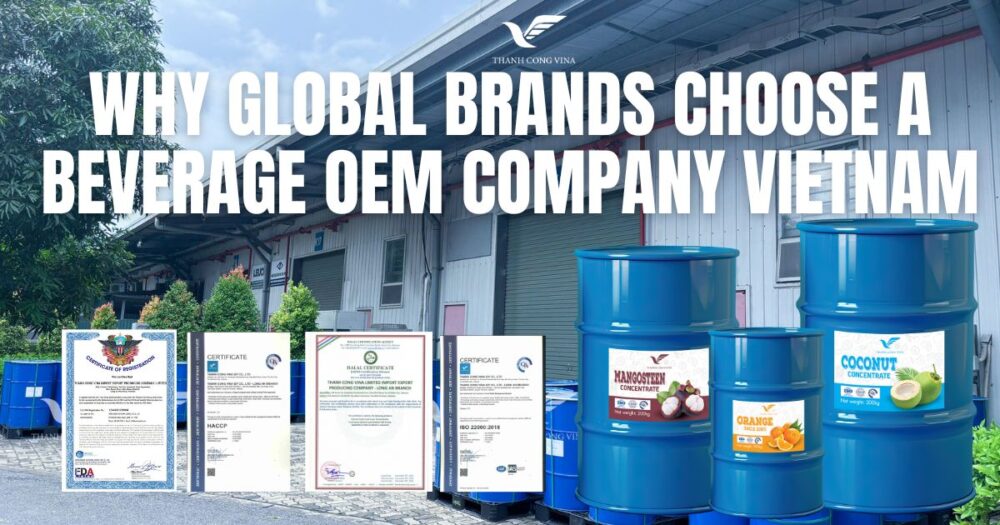
Depending on the market and product, relevant certifications and compliance systems may include HACCP, GMP, ISO 22000, FSSC 22000, HALAL, FDA-related requirements, and other applicable standards.
These systems demonstrate that food safety and quality management are integrated into the manufacturing process rather than treated as an afterthought.
Traceability
Traceability is another important component of professional beverage manufacturing.
A reliable manufacturer should be able to identify relevant information about raw materials, production batches, processing records, packaging materials, and finished products.
Strong traceability supports quality investigations, regulatory compliance, inventory management, and international customer requirements.
Consistency for Global Private Labels
For international brands, consistency is essential. A beverage purchased in one market should maintain the same expected characteristics when produced months later or shipped to another destination.
Standardized formulations, controlled processes, laboratory testing, trained production teams, and documented procedures help create this consistency.
4. Private Label Packaging and Brand Customization
Packaging is one of the most visible elements of a private label beverage. It communicates the brand’s positioning while protecting the product during storage and transportation.
Flexible Packaging Formats
An experienced Beverage OEM Company Vietnam can provide multiple packaging options according to beverage type, target market, distribution channel, and budget.
Potential formats include:
- PET bottles
- Glass bottles
- Aluminum cans
- Cartons
- Pouches
- Single-serve containers
- Larger foodservice formats
- Bulk packaging
Each format provides different advantages in terms of appearance, transportation, shelf life, consumer convenience, and production cost.
Customized Labeling
Private label products require packaging that accurately represents the brand while complying with applicable regulations.
Labels may contain product names, ingredient declarations, nutrition information, net volume, storage instructions, batch information, expiration dates, manufacturer details, barcodes, certifications, and other required information.
Export markets may also require multilingual labeling.
Packaging for Different Market Segments
A private label beverage intended for supermarkets may require a different presentation from a product designed for hotels, restaurants, cafés, convenience stores, or foodservice distributors.
OEM manufacturers can help brands select packaging according to the intended sales channel.
Premium glass bottles, for example, may support a high-end positioning, while lightweight PET packaging may be more suitable for convenience-focused products.
Sustainable Packaging Considerations
Sustainability is increasingly relevant to global beverage brands.
Businesses are evaluating recyclable materials, lightweight packaging, efficient transportation, and reduced material consumption as part of their environmental strategies.
A capable OEM manufacturer can discuss packaging options that balance sustainability objectives with product protection, production feasibility, and commercial requirements.
Building a Consistent Brand Portfolio
Private label brands often expand from one product into multiple flavors and formats.
A strong manufacturing partner can help maintain visual and technical consistency across an entire beverage portfolio.
This makes it easier to introduce additional fruit flavors, different sizes, new packaging formats, or complementary beverage categories while maintaining a recognizable brand identity.
5. Export Capabilities and Global Market Support
Export Capabilities and Global Market Support
Manufacturing the beverage is only one component of international private label business. Products must also meet destination-market requirements and move efficiently through the global supply chain.
Understanding Export Requirements
Different countries may have different rules concerning ingredients, additives, nutrition information, food safety, packaging, labeling, and product claims.
A professional Beverage OEM Company Vietnam should work with buyers to identify applicable requirements before finalizing formulations and packaging.
Early compliance planning reduces the possibility of costly changes after production.
Export Documentation
International shipments may require commercial invoices, packing lists, certificates of origin, health certificates, laboratory reports, product specifications, ingredient information, and other documentation depending on the destination.
An experienced manufacturing partner can coordinate the necessary paperwork with the buyer and logistics providers.
Container Optimization
Beverage products can be relatively heavy and occupy significant shipping volume. Efficient container loading therefore affects total landed cost.
Manufacturers can optimize carton dimensions, pallet configurations, packaging formats, and loading arrangements to maximize shipping efficiency.
Better container utilization can contribute to more competitive international pricing.
Production and Shipping Coordination
Private label brands may operate according to strict launch schedules. Delays in manufacturing can affect promotional campaigns, retail launches, seasonal sales, and customer commitments.
Strong coordination between production teams, brand owners, freight forwarders, and shipping providers helps create a more predictable supply chain.
Scaling International Orders
A successful private label product may experience rapid growth after entering a new market.
The ideal manufacturing partner should have the production capacity, raw material supply network, technical expertise, and operational systems necessary to support increased volumes.
Scalable manufacturing allows brands to start with manageable orders and increase production as demand develops.
6. How to Select the Best Beverage OEM Company Vietnam
Choosing an OEM partner should be based on more than the initial quotation. A manufacturer’s capabilities can directly influence product quality, launch speed, profitability, and long-term growth.
Evaluate Product Expertise
Start by examining whether the manufacturer has experience with the beverage categories relevant to your business.
If your brand specializes in fruit beverages, for example, look for expertise in fruit processing, juice formulation, tropical ingredients, pasteurization, aseptic technology, and appropriate packaging.
Relevant experience can shorten development time and reduce technical challenges.
Review Manufacturing Infrastructure
Businesses should evaluate production lines, filling technology, processing equipment, laboratory facilities, warehouse capabilities, quality control systems, and production capacity.
A modern facility with strong quality management provides a stronger foundation for consistent private label production.
Check Certifications and Compliance
Certifications are important indicators of manufacturing standards.
However, businesses should also examine how those standards are implemented in daily operations.
Ask about quality control procedures, raw material inspections, production monitoring, laboratory testing, traceability, sanitation, and finished-product release procedures.
Assess R&D Capabilities
Private label brands often require customized formulations.
An OEM manufacturer with a strong R&D team can help businesses develop unique products instead of simply selecting existing formulas.
Evaluate the manufacturer’s ability to conduct laboratory development, sensory testing, pilot production, stability assessments, and formulation adjustments.
Compare Total Cost
Price should be evaluated as part of the total manufacturing cost rather than viewed in isolation.
Consider ingredients, packaging, formulation development, laboratory testing, tooling, documentation, production, warehousing, logistics, and potential additional costs.
A transparent quotation allows businesses to forecast margins more accurately.
Consider Communication and Responsiveness
Effective communication is essential in international OEM manufacturing.
The manufacturer should provide clear information about specifications, minimum order quantities, production schedules, product development, packaging requirements, quality standards, and shipping arrangements.
Responsive communication can prevent misunderstandings and improve project efficiency.
Look for Long-Term Partnership Potential
The ideal OEM manufacturer should be able to grow with the brand.
As the business expands, requirements may change. New flavors, larger volumes, additional packaging formats, and new export markets may become necessary.
A reliable manufacturing partner can provide ongoing technical support and production scalability throughout this process.
Conclusion
Selecting the right Beverage OEM Company Vietnam gives beverage brands access to a complete manufacturing ecosystem without requiring the capital and complexity of establishing their own production facilities. From product concept development and customized formulation to ingredient sourcing, laboratory testing, commercial manufacturing, quality assurance, private label packaging, regulatory compliance, and export logistics, a professional OEM partner can manage the critical stages required to transform an idea into a market-ready beverage.
Vietnam offers strong advantages for international private label beverage businesses. Its abundant tropical fruit resources, growing food-processing sector, competitive manufacturing environment, skilled workforce, modern production technologies, and export infrastructure make it an attractive location for global beverage production. When combined with strong R&D capabilities, internationally recognized quality systems, flexible packaging options, and scalable manufacturing capacity, Vietnam can provide an effective foundation for long-term beverage brand development.
For businesses seeking a reliable manufacturing partner, Thanh Cong Vina Beverage provides comprehensive OEM and ODM solutions designed for international beverage brands. The company supports customized formulations, tropical fruit beverages, coconut water, aloe vera drinks, coffee beverages, ingredient sourcing, quality assurance, private label packaging, and export manufacturing. With a focus on product consistency, manufacturing efficiency, food safety, innovation, and long-term cooperation, Thanh Cong Vina helps brands turn beverage concepts into commercially competitive products. For companies searching for the Beverage OEM Company Vietnam capable of supporting private label drinks from product development through global export, Thanh Cong Vina offers an integrated manufacturing solution built for international growth.