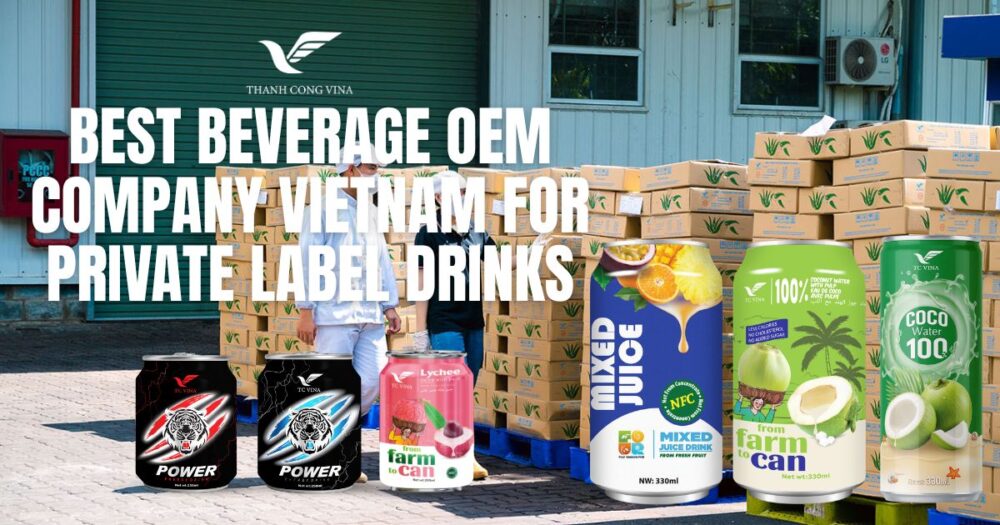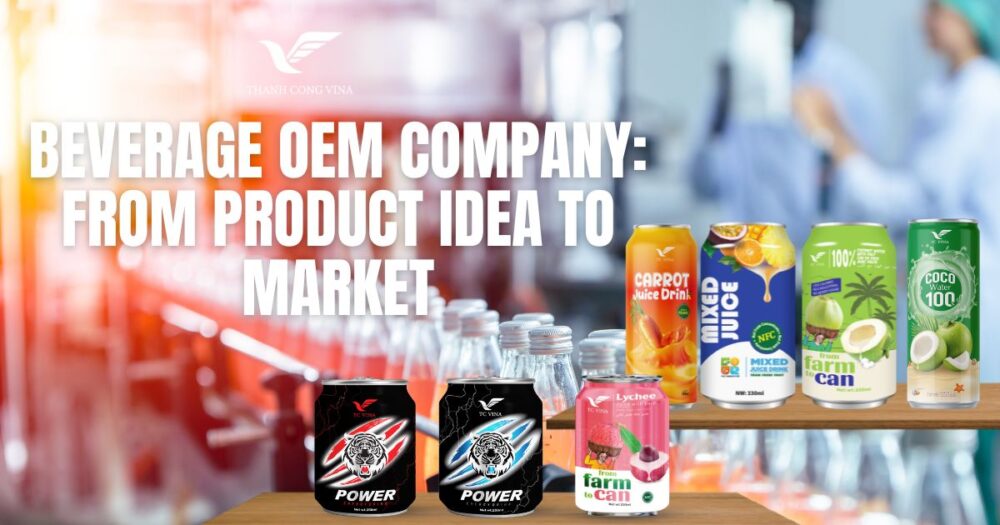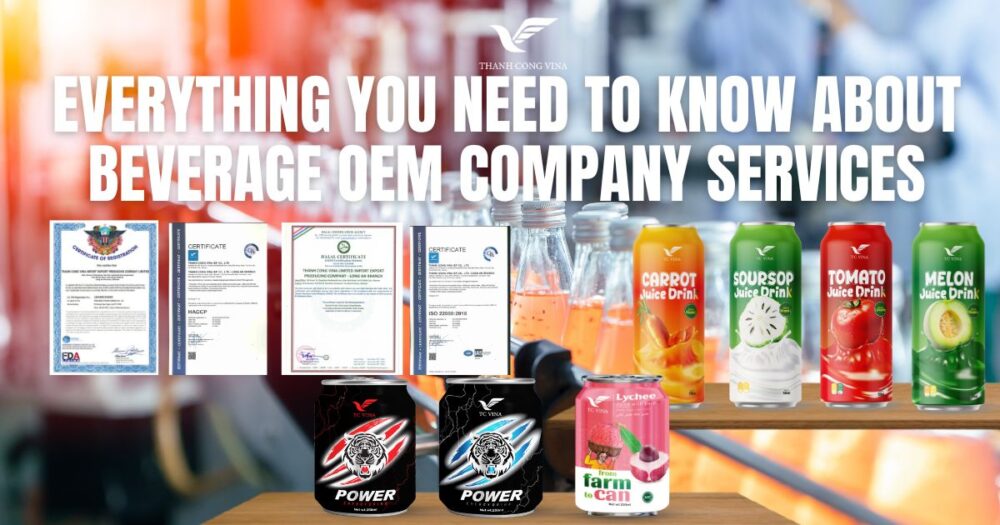

The global beverage industry is becoming increasingly competitive, with fruit juice products continuing to attract strong consumer demand thanks to their natural appeal and health benefits. For brands looking to enter or expand in this market, partnering with a professional Fruit Juice OEM Services provider offers a cost-effective and scalable solution. However, one of the most critical aspects businesses must understand before starting is the cost structure behind OEM production.
Many companies underestimate the complexity of pricing in OEM manufacturing. Costs are not limited to production alone; they include raw materials, research and development, packaging, certifications, logistics, and more. Without a clear understanding of these components, businesses may face unexpected expenses or reduced profit margins.
This comprehensive guide provides a detailed breakdown of the costs involved in Fruit Juice OEM Services. By understanding each cost factor and how it impacts your overall budget, you can make informed decisions, optimize expenses, and build a sustainable and profitable beverage brand.
1. Understanding the Cost Structure of Fruit Juice OEM Services
Understanding the Cost Structure of Fruit Juice OEM Services
Before diving into specific cost components, it is important to understand how pricing is structured in OEM manufacturing.
Fixed Costs vs Variable Costs
In Fruit Juice OEM Services, costs are generally divided into fixed and variable categories. Fixed costs include expenses that do not change regardless of production volume, such as product development, mold creation, and initial setup. These costs are typically incurred at the beginning of the project.
Variable costs, on the other hand, depend on production volume. These include raw materials, packaging, labor, and transportation. As production increases, variable costs rise proportionally, but the cost per unit often decreases.
Economies of Scale
One of the key advantages of OEM manufacturing is the ability to benefit from economies of scale. Larger production volumes reduce the cost per unit, making it more cost-efficient for businesses.
However, this also means that companies must carefully plan their Minimum Order Quantities (MOQs) to balance cost savings with inventory management.
Pricing Transparency and Negotiation
A reliable OEM partner should provide transparent pricing and detailed cost breakdowns. This allows businesses to understand where their money is being spent and identify opportunities for optimization.
Understanding the overall cost structure is the first step toward effective financial planning in Fruit Juice OEM Services.
2. Fruit Juice OEM Services Production Cost Breakdown
Production costs are the core component of OEM pricing and include several key elements.
Raw Material Costs
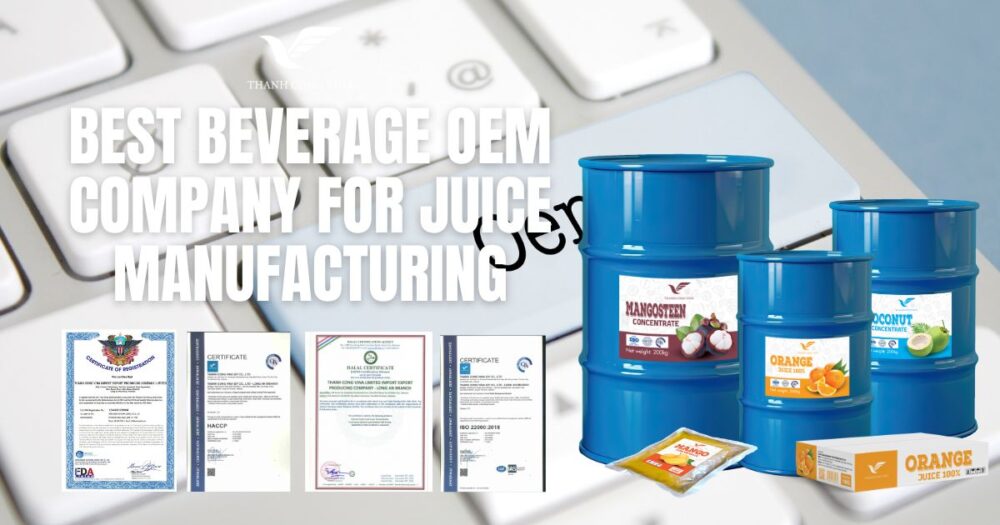
Raw materials are one of the largest cost components in juice production. This includes fresh fruits, concentrates, sweeteners, and additives.
The cost of raw materials can vary depending on factors such as seasonality, sourcing location, and quality. Premium or exotic fruits typically result in higher costs.
Processing and Manufacturing Costs
Manufacturing costs include expenses related to processing the juice, such as washing, extraction, filtration, blending, and pasteurization.
Advanced technologies like aseptic processing may increase costs but provide benefits such as extended shelf life and improved quality.
Labor and Operational Costs
Labor costs cover the workforce involved in production, quality control, and maintenance. Operational costs include utilities such as electricity and water, as well as equipment maintenance.
Efficient OEM manufacturers optimize these costs through automation and streamlined processes.
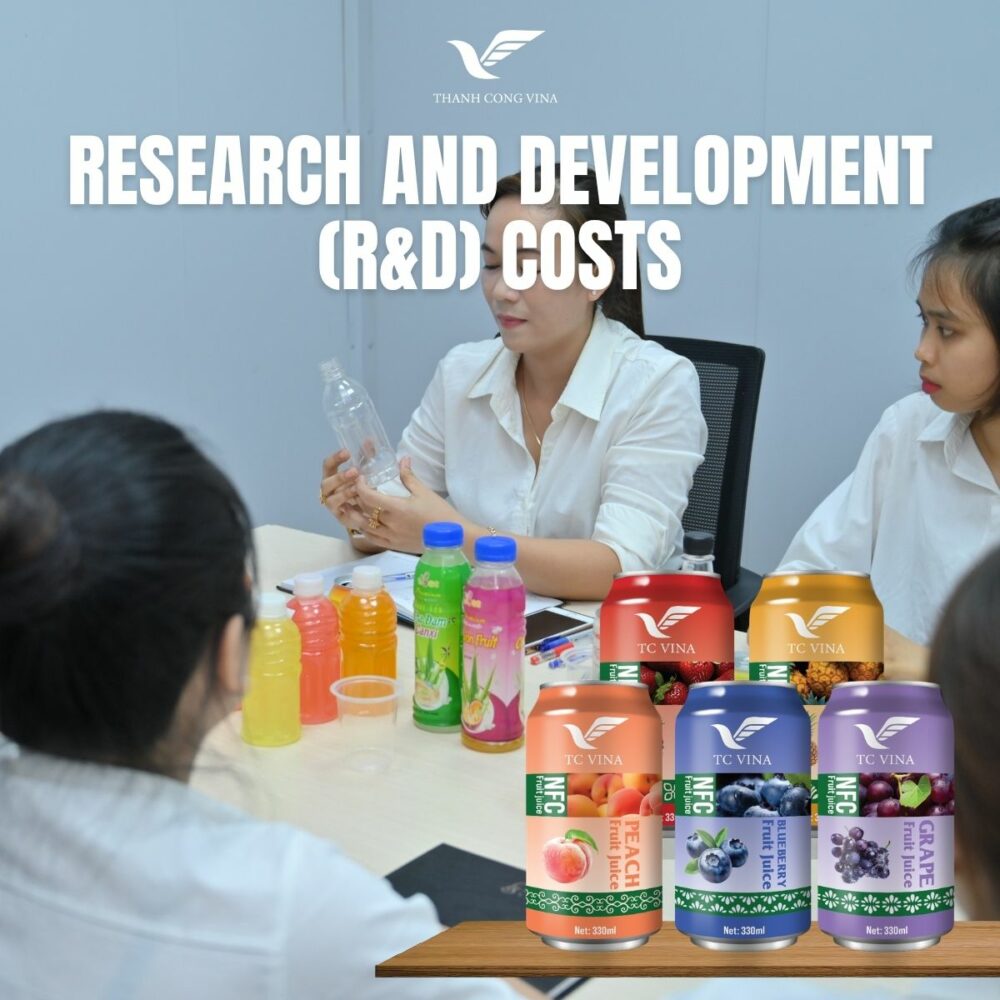
3. Research and Development (R&D) Costs
Research and Development (R&D) Costs
R&D is a crucial stage in developing a successful juice product.
Product Formulation and Testing
Developing a unique flavor requires multiple iterations of formulation and testing. This process involves selecting ingredients, adjusting flavor profiles, and conducting sensory evaluations.
These activities incur costs related to materials, labor, and testing facilities.
Sample Production and Refinement
OEM manufacturers often provide sample batches for client approval. Each iteration adds to the overall R&D cost but ensures that the final product meets expectations.
Innovation and Customization
Innovative products, such as functional beverages or organic juices, may require additional research and specialized ingredients, increasing R&D expenses.
Investing in R&D is essential for creating high-quality and competitive products.
4. Packaging and Design Costs
Packaging is a significant cost factor that also impacts branding and market appeal.
Packaging Materials
Common packaging options include PET bottles, glass bottles, aluminum cans, cartons, and pouches. Each material has its own cost structure.
For example, glass bottles are more expensive than PET bottles but offer a premium look.
Customization and Branding
Custom packaging designs, labels, and printing add to the overall cost. However, they play a crucial role in differentiating products in the market.
Sustainable Packaging Options
Eco-friendly packaging materials may have higher initial costs but provide long-term benefits in terms of brand image and consumer trust.
Balancing cost and design is key to creating effective packaging.
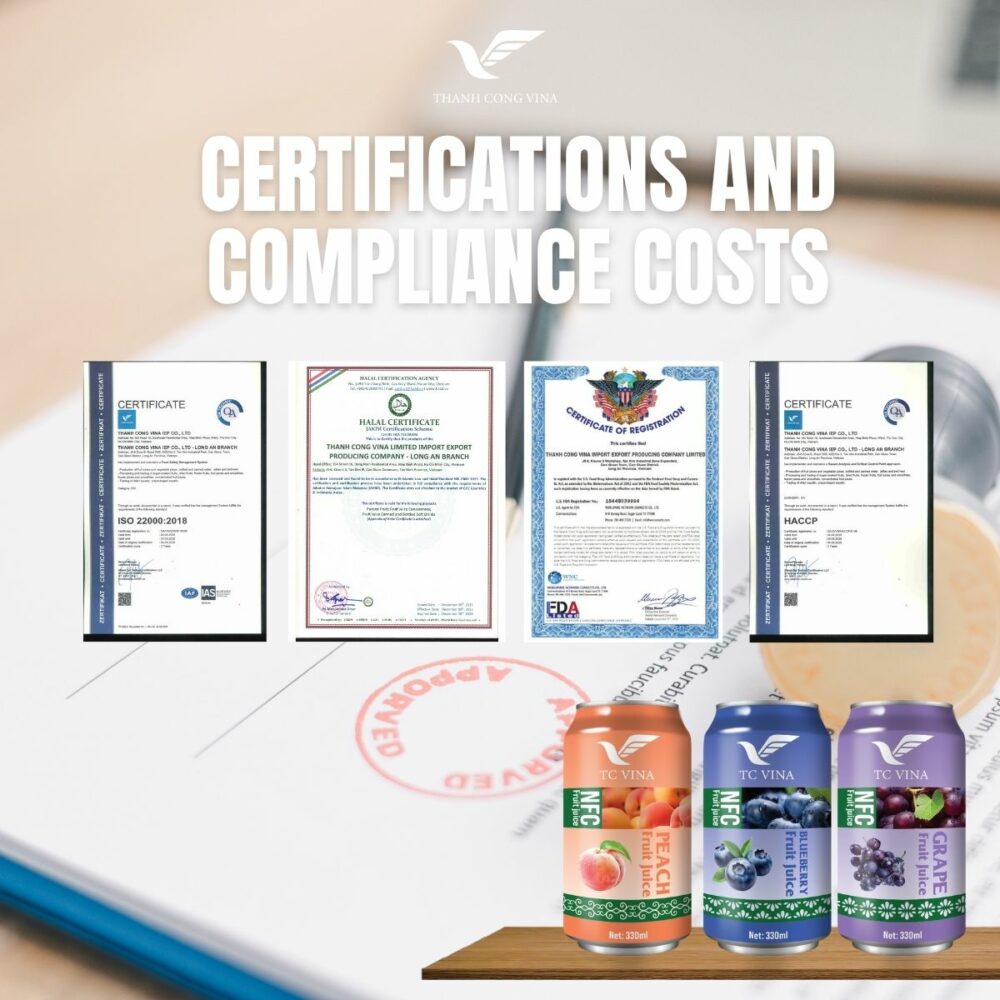
5. Certifications and Compliance Costs
Certifications and Compliance Costs
Certifications are essential for ensuring product safety and market access.
Certification Fees
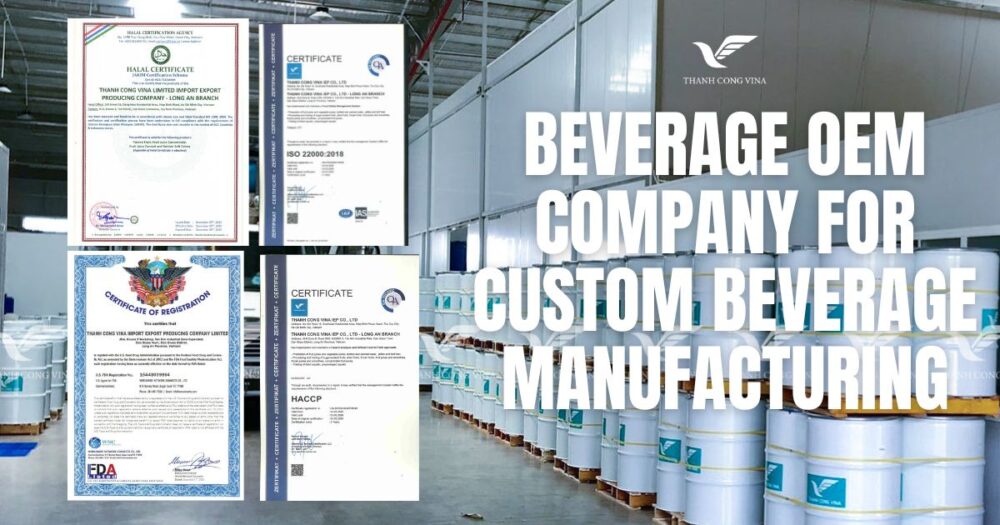
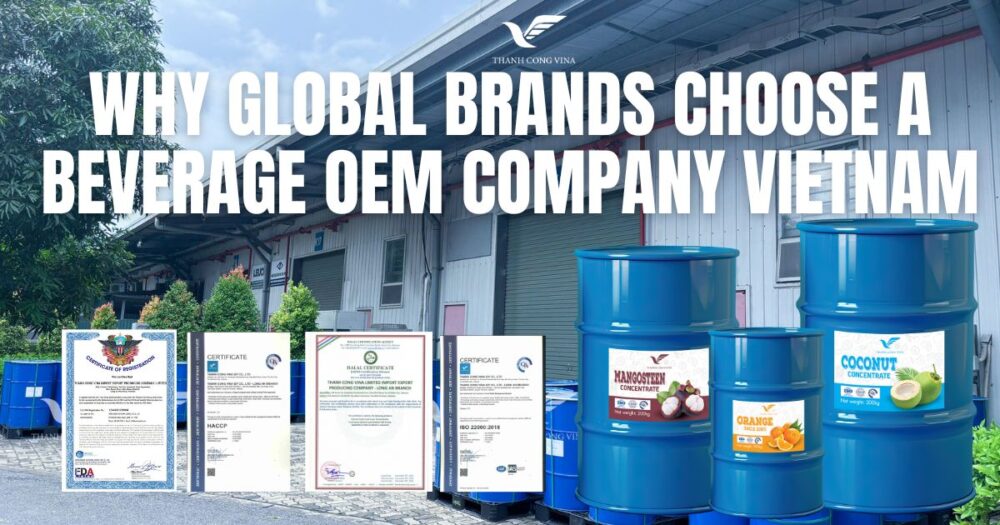
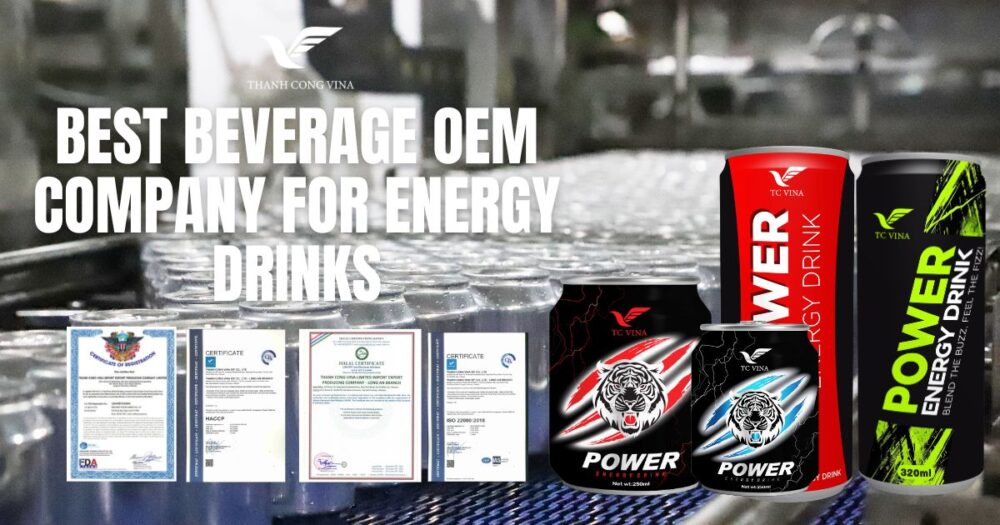
Obtaining certifications such as ISO, HACCP, FDA, and HALAL involves fees for audits, documentation, and ongoing compliance.
Quality Assurance Systems
Implementing quality control systems requires investment in testing equipment, trained personnel, and monitoring processes.
Regulatory Compliance
Different markets have specific requirements for labeling, ingredients, and packaging. Ensuring compliance may involve additional costs.
Despite these expenses, certifications are critical for building trust and expanding into global markets.
6. Logistics and Distribution Costs
Logistics is another major component of OEM pricing.
Transportation and Shipping
Shipping costs depend on factors such as distance, volume, and mode of transport. International shipping may involve higher expenses due to customs and duties.
Storage and Inventory Management
Warehousing and inventory management add to the overall cost. Proper storage conditions are essential for maintaining product quality.
Export Documentation and Handling
Exporting products requires documentation, inspections, and compliance with regulations, all of which contribute to logistics costs.
Efficient logistics management helps reduce delays and optimize expenses.
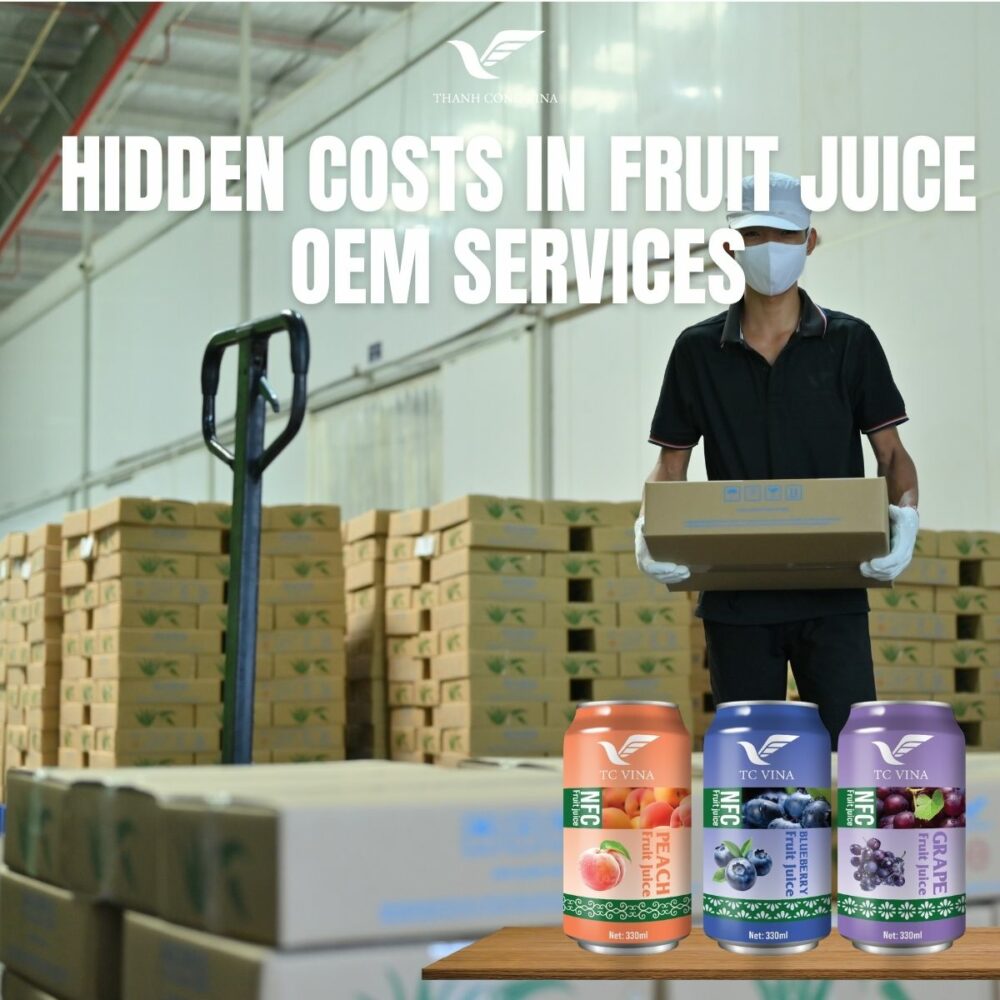
7. Hidden Costs in Fruit Juice OEM Services
Hidden Costs in Fruit Juice OEM Services
In addition to visible costs, there are hidden expenses that businesses should consider.
Minimum Order Quantities (MOQs)
High MOQs can increase initial investment and inventory risks. Businesses must plan carefully to avoid overproduction.
Product Adjustments and Revisions
Changes to formulations or packaging after initial approval can result in additional costs.
Market Testing and Promotion
Launching a new product often requires marketing and promotional expenses, which should be factored into the overall budget.
Being aware of hidden costs helps businesses avoid financial surprises.
8. Strategies to Optimize Costs in Fruit Juice OEM Services
Effective cost management is essential for maximizing profitability.
Choosing the Right OEM Partner
Selecting a reliable and transparent OEM provider ensures better pricing and cost efficiency.
Optimizing Product Design
Simplifying formulations and packaging can reduce costs without compromising quality.
Leveraging Economies of Scale
Increasing production volume can lower the cost per unit.
Accurate Demand Forecasting
Planning production based on realistic demand helps avoid overproduction and waste.
Implementing these strategies allows businesses to optimize costs and improve profitability.
Conclusion
Understanding the cost breakdown of Fruit Juice OEM Services is essential for building a successful and sustainable beverage brand. From raw materials and production to packaging, certifications, and logistics, each cost component plays a critical role in determining overall profitability.
Thanh Cong Vina is a trusted partner in providing transparent and cost-effective Fruit Juice OEM Services for global beverage brands. With advanced production technology, strict quality control, and comprehensive service solutions, Thanh Cong Vina helps businesses optimize costs while maintaining high product standards. As a reliable Fruit Juice OEM Services provider, Thanh Cong Vina supports brands in achieving efficiency, expanding into international markets, and building long-term success in the competitive beverage industry.