
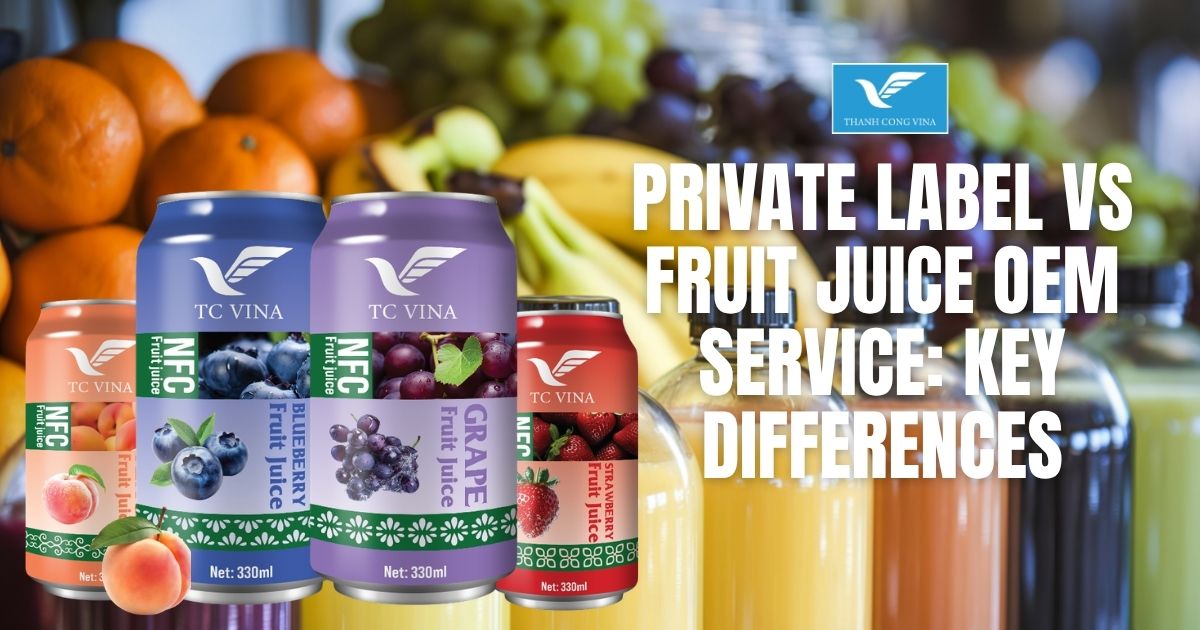
In the modern beverage industry, brands are constantly looking for efficient ways to develop, produce, and launch products while maintaining high quality and competitive pricing. Two popular business models that support this goal are private label manufacturing and Fruit Juice OEM Service. While both approaches allow companies to outsource production, they differ significantly in terms of flexibility, customization, control, and branding.
Understanding the differences between these two models is essential for businesses aiming to choose the right strategy for their growth. Whether you are a startup exploring market entry or an established brand expanding your product portfolio, selecting the appropriate model can directly impact your success. This article provides a comprehensive comparison of private label and Fruit Juice OEM Service, highlighting their key differences, advantages, and limitations to help you make informed decisions in the competitive global juice market.
1. Understanding Private Label and Fruit Juice OEM Service
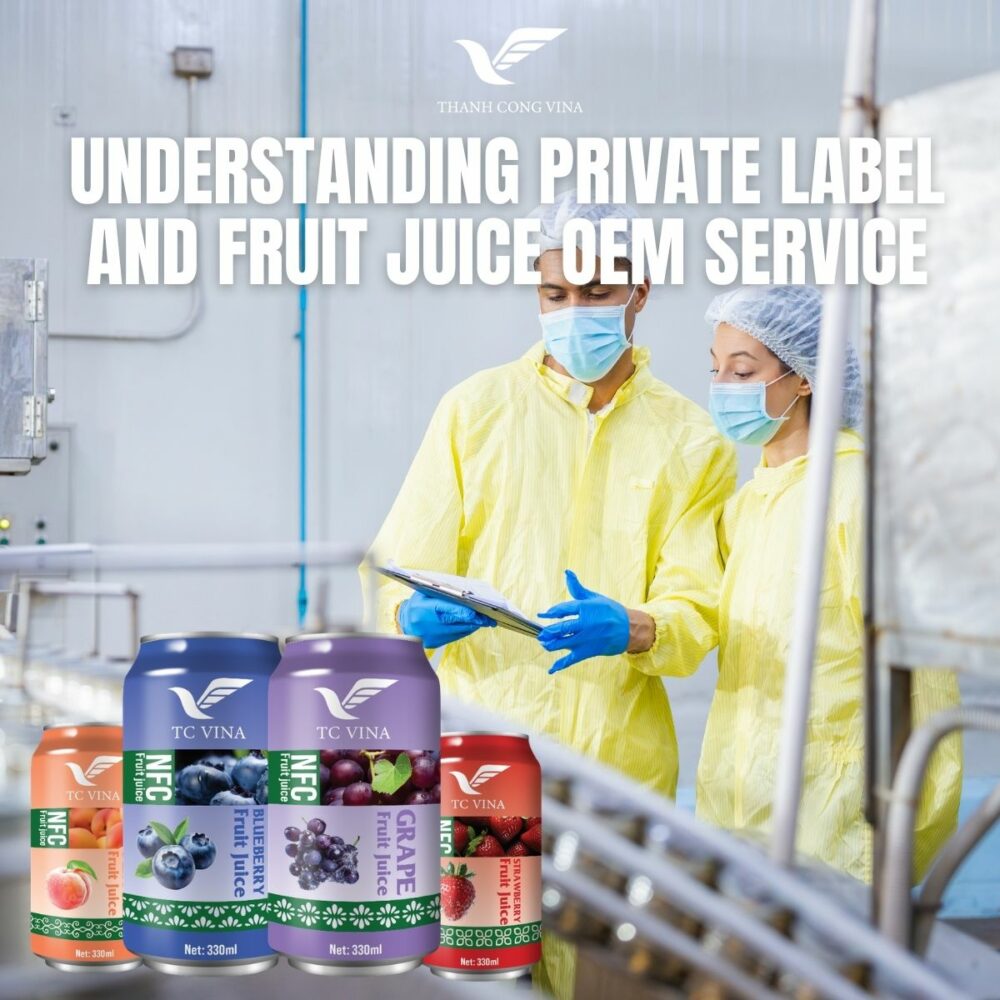
Understanding Private Label and Fruit Juice OEM Service
Before comparing the two models, it is important to understand what each one entails and how they operate within the beverage industry.
What is Private Label Manufacturing?
Private label manufacturing involves producing goods that are sold under a retailer’s or brand’s name but are developed using pre-existing formulations. The manufacturer creates standardized products, and multiple brands can sell similar or identical items with different packaging and branding.
This model is commonly used by supermarkets, retail chains, and distributors looking to quickly launch products without investing in research and development. Private label products are typically cost-effective and fast to market.
What is Fruit Juice OEM Service?
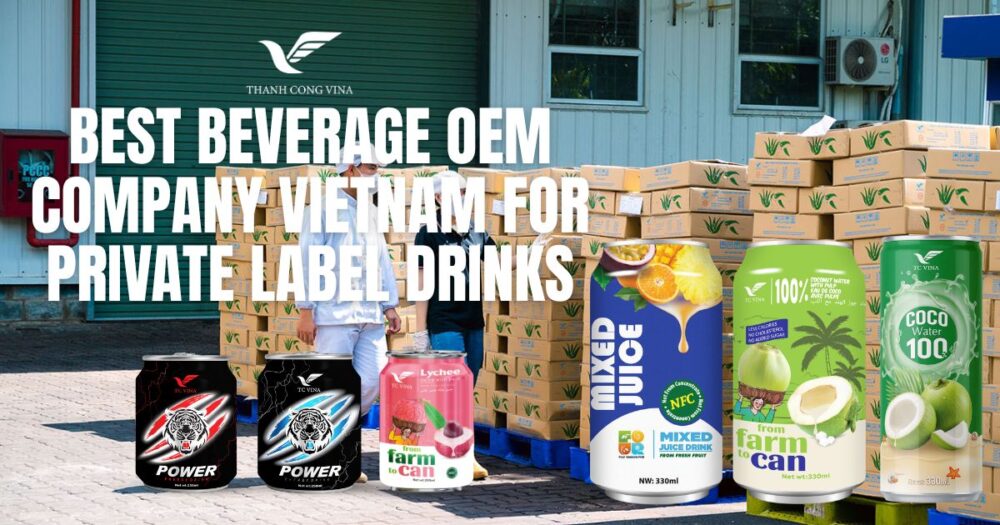
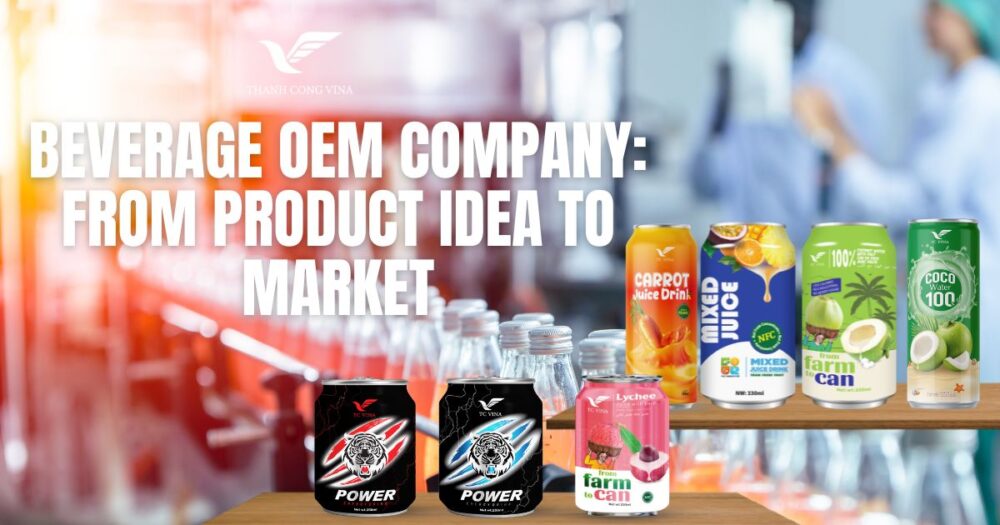
A Fruit Juice OEM Service, on the other hand, offers a more customized approach. OEM providers work closely with clients to develop unique formulations, packaging designs, and production processes tailored to specific brand requirements.
This model allows for greater flexibility and differentiation, enabling brands to create unique products that stand out in the market. OEM services often include end-to-end solutions, from concept development to final production.
Core Differences in Approach
The key difference lies in customization and control. Private label focuses on speed and simplicity, while Fruit Juice OEM Service emphasizes uniqueness and brand identity.
Understanding these fundamental differences is crucial for choosing the right model based on business goals and market strategy.
2. Customization and Product Development Capabilities
Customization is one of the most important factors that differentiate private label from Fruit Juice OEM Service.
Limited Customization in Private Label
Private label products are typically based on existing formulations. While minor adjustments may be possible, the overall product structure remains the same.
This limits the ability to create unique offerings, making it challenging for brands to differentiate themselves in competitive markets.
High Flexibility with Fruit Juice OEM Service
In contrast, Fruit Juice OEM Service providers offer extensive customization options. Brands can develop unique flavors, adjust ingredient compositions, and design packaging that aligns with their identity.
This level of flexibility allows businesses to create innovative products that cater to specific consumer preferences and market trends.
Impact on Brand Differentiation
Customization directly impacts brand positioning. Private label products often compete on price, while OEM-based products can compete on quality, innovation, and uniqueness.
For brands aiming to build a strong identity, Fruit Juice OEM Service provides a significant advantage.
3. Cost Structure and Investment Considerations

Cost Structure and Investment Considerations
Cost is a critical factor when choosing between private label and Fruit Juice OEM Service.
Lower Initial Costs with Private Label
Private label manufacturing typically requires lower upfront investment. Since the products are pre-developed, there is no need for extensive research and development.
This makes it an attractive option for businesses with limited budgets or those looking to enter the market quickly.
Investment in Customization with OEM
Fruit Juice OEM Service involves higher initial costs due to customization, product development, and testing. However, this investment allows brands to create unique products with higher perceived value.
Over time, customized products can generate better margins and stronger brand loyalty.
Long-Term Financial Benefits
While private label offers short-term cost savings, OEM services provide long-term financial benefits through differentiation and premium positioning.
Businesses should evaluate their financial goals and choose the model that aligns with their strategy.
4. Speed to Market and Production Efficiency
Time-to-market is another important consideration when comparing private label and Fruit Juice OEM Service.
Fast Launch with Private Label
Private label products can be launched quickly since they are already developed. This allows brands to respond rapidly to market opportunities.
However, the lack of customization may limit long-term competitiveness.
Balanced Speed with OEM Services
Although Fruit Juice OEM Service requires more time for development, experienced providers streamline the process to minimize delays.
Advanced production systems and efficient workflows enable relatively fast market entry without compromising quality.
Trade-Off Between Speed and Uniqueness
Businesses must balance the need for speed with the desire for uniqueness. Private label is ideal for quick entry, while OEM services offer a more strategic approach.
Choosing the right model depends on business priorities and market conditions.
5. Quality Control and Compliance Standards

Quality Control and Compliance Standards
Quality and compliance are essential in the food and beverage industry.
Standardized Quality in Private Label
Private label manufacturers maintain consistent quality across their product range. However, the standardized approach may limit innovation and customization.
Brands have less control over the production process and quality specifications.
Enhanced Control with Fruit Juice OEM Service
Fruit Juice OEM Service providers offer greater control over quality. Brands can specify ingredients, processing methods, and quality standards.
This ensures that the final product meets specific requirements and aligns with brand values.
Importance of Certifications
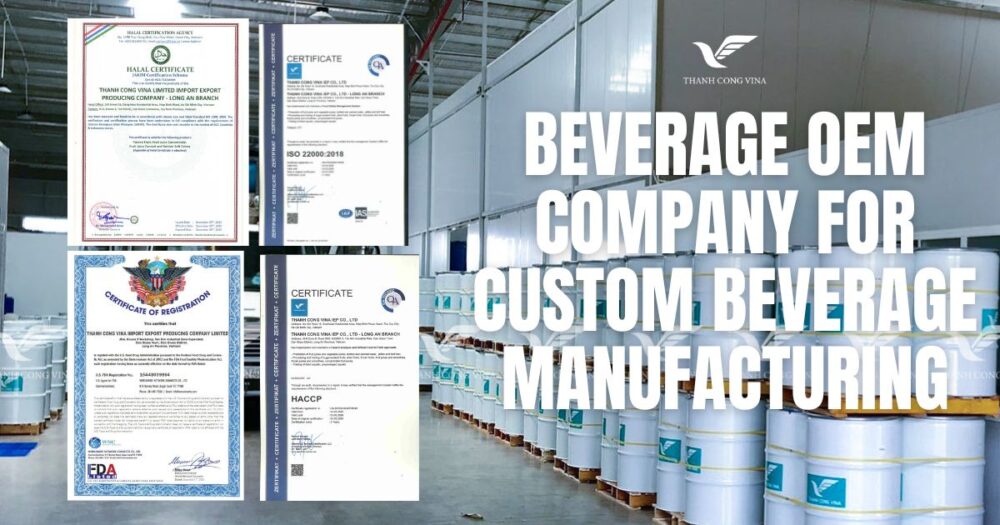
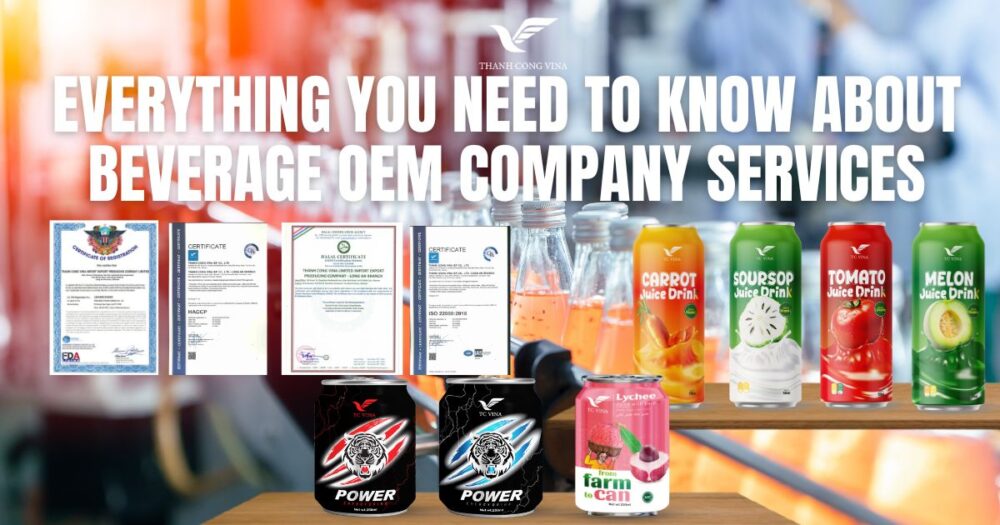
OEM providers often hold certifications such as HACCP, ISO, and GMP, ensuring compliance with international standards.
This enhances product credibility and facilitates entry into global markets.
6. Branding and Market Positioning Strategies
Branding plays a crucial role in determining the success of a product.
Private Label Branding Limitations
Private label products often compete on price rather than brand identity. Since multiple brands may sell similar products, differentiation becomes challenging.
This limits the ability to build strong brand loyalty.
Strong Branding with OEM Services
Fruit Juice OEM Service enables brands to create unique products that reflect their identity. From packaging design to product formulation, every element can be customized.
This allows businesses to build a strong brand presence and connect with their target audience.
Strategic Market Positioning
OEM-based products can be positioned as premium, innovative, or health-focused, depending on the brand strategy.
This flexibility provides a competitive advantage in diverse markets.
7. Choosing the Right Model for Your Business
Choosing the Right Model for Your Business
Selecting between private label and Fruit Juice OEM Service depends on various factors.
Business Goals and Strategy
Companies should consider their long-term goals, target market, and brand positioning. Private label is suitable for cost-focused strategies, while OEM services support differentiation and growth.
Market Competition
In highly competitive markets, unique products are essential for success. Fruit Juice OEM Service provides the tools needed to stand out.
Partnership and Support
Choosing the right manufacturing partner is critical. OEM providers offer more collaborative support, helping brands develop and improve their products.
A strong partnership ensures long-term success and sustainability.
Conclusion
Both private label and Fruit Juice OEM Service offer valuable opportunities for beverage brands, but they serve different purposes. Private label is ideal for quick market entry and cost efficiency, while OEM services provide customization, quality control, and strong brand differentiation. Understanding these differences allows businesses to choose the model that best aligns with their goals and market strategy.
For companies seeking a reliable and professional partner, Thanh Cong Vina Beverage offers comprehensive Fruit Juice OEM Service solutions tailored to global standards. With advanced production capabilities, strict quality control, and a commitment to innovation, Thanh Cong Vina supports brands in creating unique, high-quality products. By partnering with Thanh Cong Vina, businesses can leverage the full potential of Fruit Juice OEM Service to achieve sustainable growth and long-term success in the competitive beverage industry.