
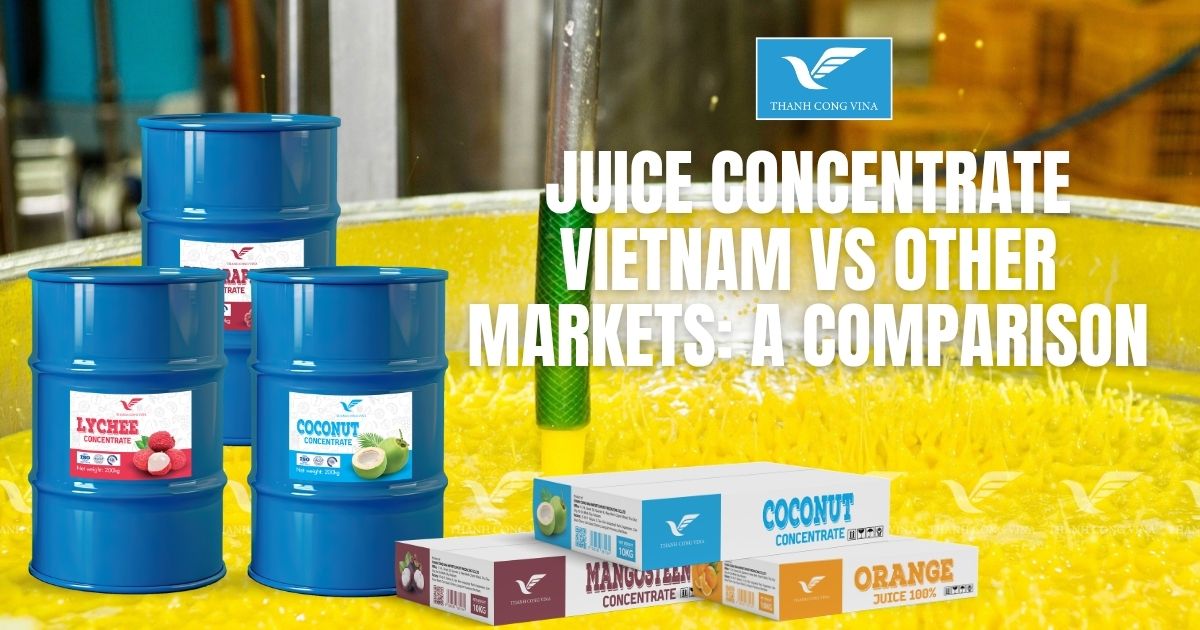
As global demand for fruit-based ingredients continues to grow, international buyers are evaluating sourcing destinations more carefully than ever before. Cost efficiency, product quality, supply reliability, and export capabilities all play critical roles in determining the best procurement strategy. Among the most attractive options in Asia, Juice Concentrate Vietnam has emerged as a highly competitive sourcing destination for beverage manufacturers, food processors, importers, and private label brands.
Vietnam offers a unique combination of tropical fruit abundance, cost-effective manufacturing, and modern export infrastructure. However, buyers often compare Vietnam with other major sourcing markets such as Thailand, China, India, Brazil, and selected European countries before making long-term purchasing decisions. Each market has its own strengths, limitations, and strategic advantages depending on the buyer’s product requirements and target markets.
This article provides a comprehensive comparison between Juice Concentrate Vietnam and other leading sourcing destinations. By understanding the differences in agricultural resources, production costs, quality standards, logistics, and customization capabilities, global buyers can identify the most suitable market for their business objectives and establish stronger, more profitable supply partnerships.
1. Agricultural Resources and Raw Material Availability
Agricultural Resources and Raw Material Availability
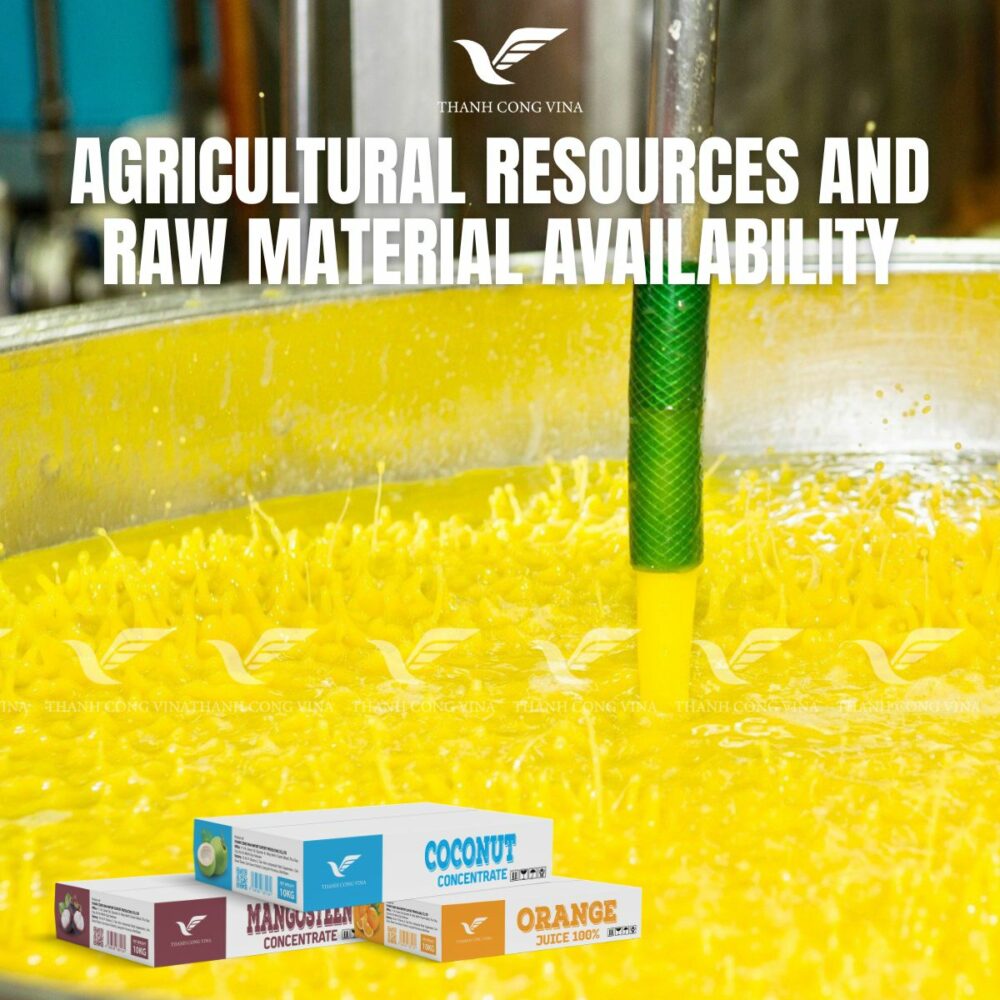
The foundation of any juice concentrate industry lies in the consistent availability of high-quality fruit. Vietnam performs exceptionally well in this area due to its tropical climate and diverse agricultural zones.
Vietnam’s Year-Round Tropical Fruit Production
Vietnam produces a broad range of fruits, including mango, pineapple, passion fruit, guava, orange, coconut, and dragon fruit. Multiple harvest cycles across different regions provide a continuous supply of fresh fruit throughout the year. This reduces seasonal disruptions and supports stable manufacturing schedules.
Compared with countries that rely on shorter growing seasons, Vietnam offers greater flexibility and more predictable production capacity.
Comparison with Thailand, India, and Brazil
Thailand also has strong tropical fruit resources, particularly pineapple and mango, but labor and operational costs can be higher in some segments. India offers abundant fruit production but may face more variability in logistics and regional supply chain consistency. Brazil is a dominant global supplier, especially in citrus, yet shipping distances to Asian markets can increase lead times and transportation costs.
Vietnam combines agricultural diversity with geographic efficiency, making it particularly attractive for buyers seeking both variety and responsiveness.
Advantages for Multi-Product Buyers
Importers sourcing multiple fruit types benefit from Vietnam’s ability to provide a broad portfolio from a single origin. This simplifies procurement, improves negotiation efficiency, and reduces the complexity of supplier management.
2. Juice Concentrate Vietnam and Cost Competitiveness
Price remains a critical factor in sourcing decisions, but the most successful buyers evaluate total value rather than simply choosing the lowest quotation.
Juice Concentrate Vietnam as a High-Value Sourcing Option
Vietnam offers competitive production economics supported by affordable labor, efficient processing, and close proximity between farms and factories. These advantages help manufacturers maintain attractive pricing while preserving product quality.
For international buyers, this means stronger margins and greater pricing flexibility in their own markets.
Comparison with China and Europe
China offers significant scale and industrial capacity, but some buyers prioritize diversification and closer relationships with more specialized suppliers. European manufacturers are known for advanced technology and premium positioning, but their higher production costs often result in less competitive pricing.
Vietnam occupies a strategic middle ground: quality and professionalism comparable to advanced markets, combined with the cost advantages associated with emerging manufacturing hubs.
Total Landed Cost Considerations
Because concentrate reduces shipping weight and volume, transportation costs are already optimized. When combined with Vietnam’s competitive manufacturing costs, the overall landed cost becomes highly favorable. Buyers often find that Vietnam delivers one of the strongest cost-to-quality ratios in the market.
3. Manufacturing Technology and Quality Assurance
Manufacturing Technology and Quality Assurance
Reliable production systems are essential for ensuring that concentrate performs consistently in beverages and food applications.
Modern Facilities and Process Standardization
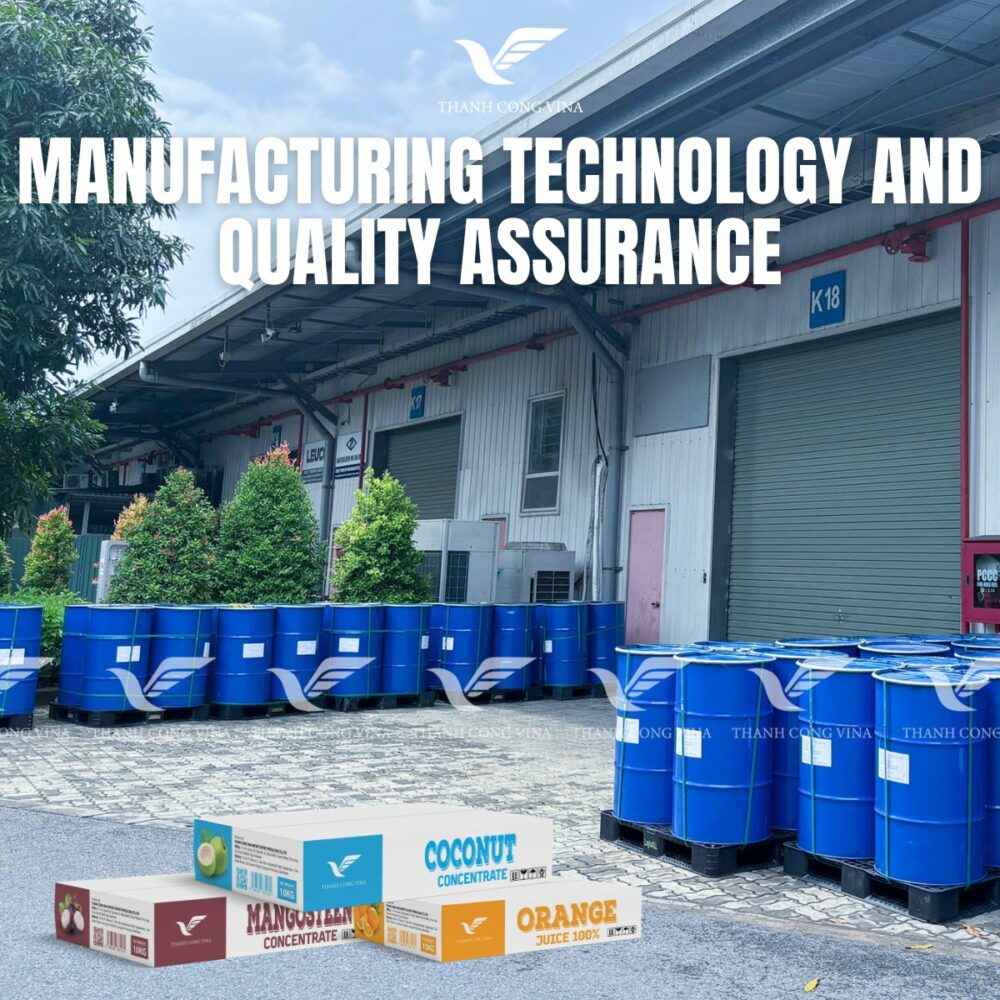
Leading Vietnamese manufacturers have invested in advanced technologies such as evaporation, pasteurization, aseptic filling, and automated monitoring. These systems help preserve flavor, color, and nutritional value while maintaining microbiological safety.
Standardized processes support consistent results across large production volumes, which is crucial for international brands.
Comparison with Established Manufacturing Markets
European suppliers may have longer histories in industrial food processing, while China provides substantial manufacturing scale. Vietnam has rapidly narrowed the technological gap by upgrading facilities and adopting internationally recognized quality systems.
As a result, many buyers now view Vietnam as a dependable source capable of meeting stringent product specifications.
Traceability and Operational Transparency
Traceability is increasingly important in global supply chains. Vietnamese exporters are improving documentation and production transparency, enabling buyers to verify raw material origins and manufacturing records with greater confidence.
4. Product Diversity and Customization Capabilities
Sourcing decisions are influenced not only by existing product portfolios but also by the ability to create tailored solutions.
Broad Range of Tropical Fruit Concentrates
Vietnam excels in tropical fruit varieties that align with global consumer demand for natural and exotic flavors. Importers can source mango, pineapple, passion fruit, guava, dragon fruit, and custom blends suitable for beverages, dairy products, desserts, and sauces.
This diversity supports innovation and product differentiation.
OEM and Private Label Development
Many Vietnamese suppliers offer OEM and private label services, enabling buyers to customize formulations, packaging, and branding. This capability is especially valuable for businesses launching proprietary products or adapting to local market preferences.
Comparison with Other Markets
Some sourcing regions focus primarily on bulk commodity products with limited customization. Vietnam’s growing emphasis on customer collaboration allows buyers to access both standard concentrates and highly tailored solutions, strengthening long-term strategic partnerships.
5. Logistics, Export Infrastructure, and Trade Accessibility
Logistics, Export Infrastructure, and Trade Accessibility
Efficient export systems are essential for maintaining reliable international supply chains.
Strategic Location in Southeast Asia
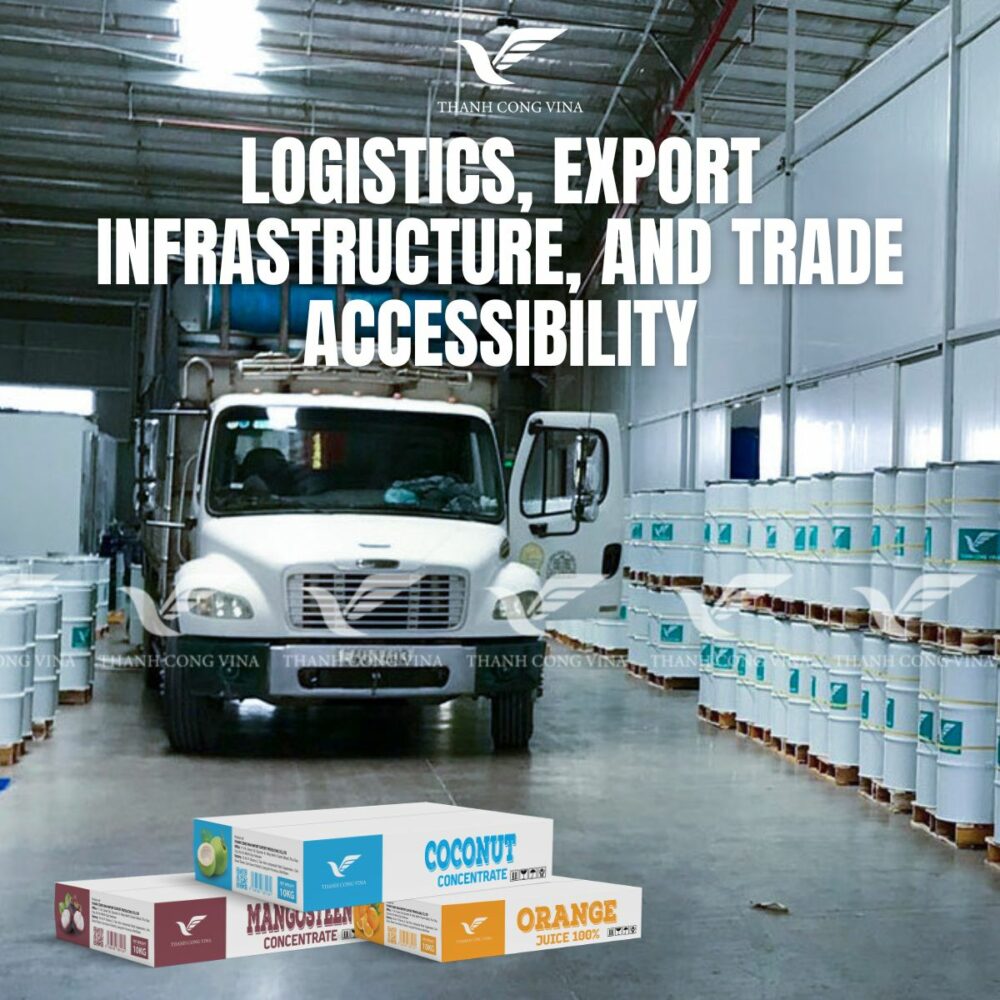
Vietnam is positioned along major global shipping routes, facilitating efficient access to Asia, the Middle East, Europe, and North America. This geographic advantage can shorten transit times and improve inventory planning.
Trade Agreements and Market Access
Vietnam participates in multiple trade agreements that reduce tariffs and simplify cross-border trade. These agreements can improve product competitiveness and lower import costs for buyers in certain regions.
Comparison with Distant Suppliers
Countries such as Brazil may offer excellent products but face longer shipping distances to Asian markets. European suppliers may also involve higher logistics costs depending on the destination. Vietnam’s location and export experience create a practical advantage for buyers seeking agile and responsive supply chains.
6. Risk Management and Long-Term Supply Stability
Successful sourcing depends on resilience as much as on price and quality.
Diversification Benefits
Many global buyers are expanding sourcing beyond traditional markets to reduce concentration risk. Vietnam provides a strong alternative that enhances supply chain diversification while maintaining commercial competitiveness.
Stable Manufacturing Ecosystem
Vietnam’s continued investment in food processing, infrastructure, and export capabilities supports long-term reliability. Manufacturers are increasingly equipped to handle sustained demand and evolving market requirements.
Partnership-Oriented Business Culture
Suppliers in Vietnam often emphasize long-term collaboration and flexible problem solving. Buyers who establish strong relationships can benefit from better service, faster product development, and more responsive support.
7. Future Outlook for Juice Concentrate Vietnam
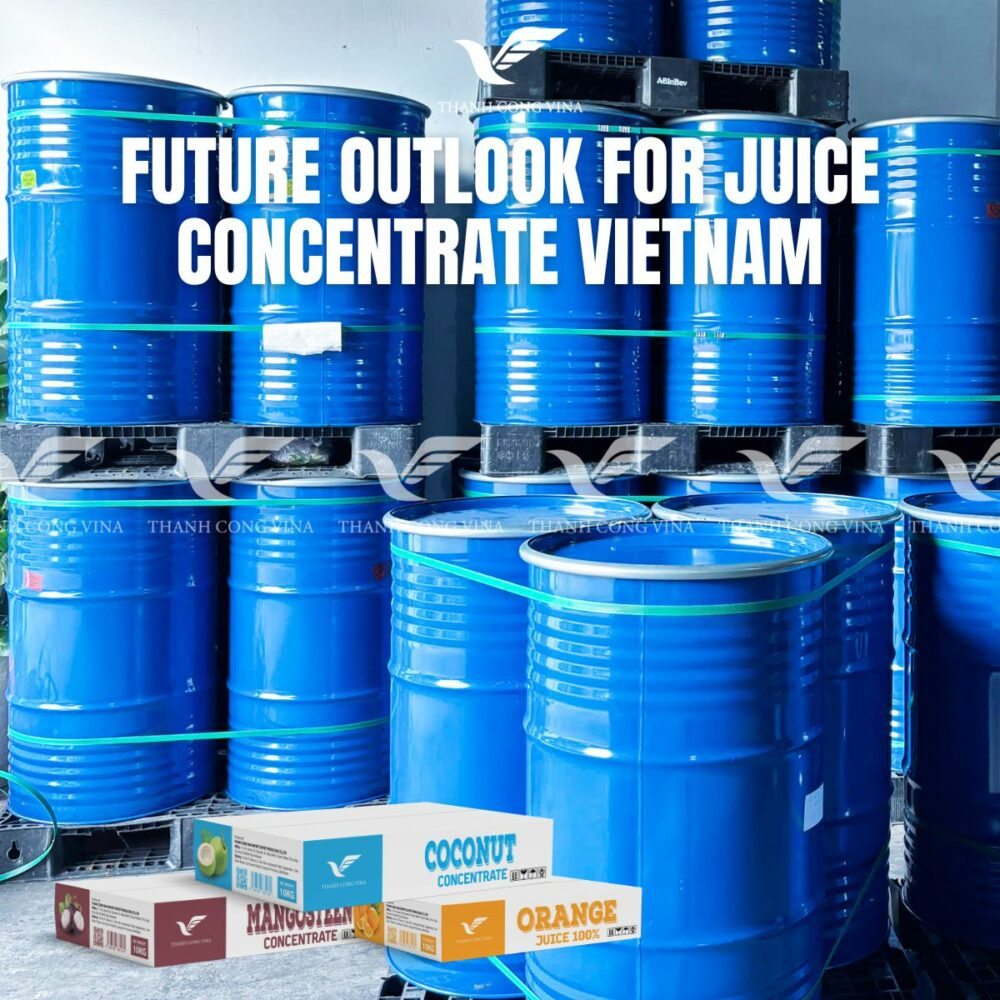
Future Outlook for Juice Concentrate Vietnam
Vietnam’s position in the global juice concentrate industry is expected to strengthen further over the coming years.
Rising Demand for Tropical and Natural Ingredients
Consumer interest in clean-label and tropical beverages continues to expand, increasing the relevance of Vietnam’s fruit portfolio.
Sustainability and Responsible Sourcing
Environmental and social considerations are becoming more important in purchasing decisions. Vietnamese manufacturers are progressively adopting more sustainable practices to align with international expectations.
Continued Investment in Innovation
Ongoing technological upgrades and export market development will enhance Vietnam’s ability to compete with both established and emerging sourcing destinations.
Conclusion
When comparing global sourcing destinations, Vietnam stands out as one of the most balanced and strategically attractive options for juice concentrate procurement. It combines abundant tropical fruit resources, competitive pricing, improving manufacturing technology, flexible OEM capabilities, and efficient export infrastructure. For many importers and beverage brands, Juice Concentrate Vietnam offers an optimal blend of affordability, quality, and scalability.
While each sourcing market has distinct strengths, Vietnam’s versatility and strong value proposition make it especially well suited to businesses seeking long-term growth and supply chain resilience. By partnering with capable Vietnamese manufacturers, buyers can diversify sourcing, accelerate innovation, and improve competitiveness in dynamic international markets.
Thanh Cong Vina IEP CO., LTD is proud to represent the strengths of Juice Concentrate Vietnam through premium products, customized OEM services, and dependable global export support. With a commitment to quality, transparency, and customer success, Thanh Cong Vina continues to help partners worldwide build sustainable and profitable beverage businesses.