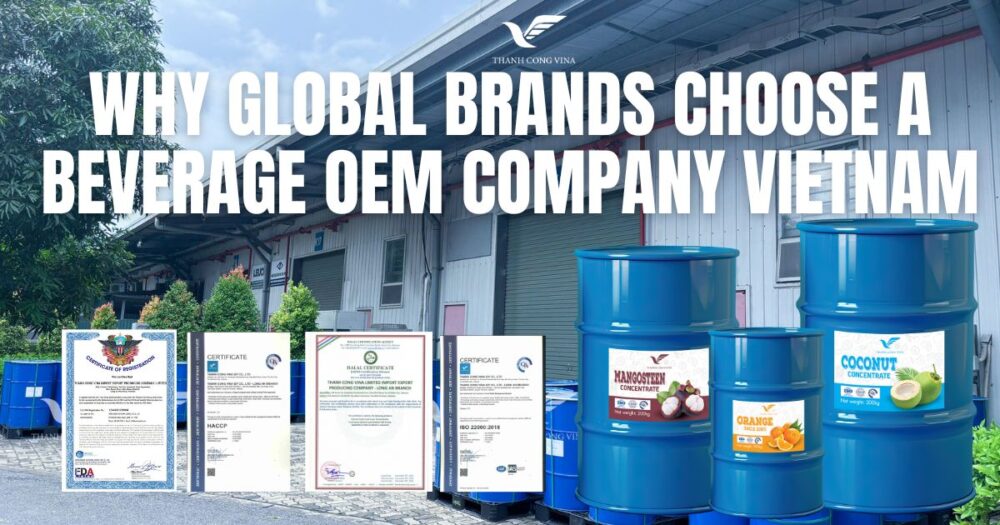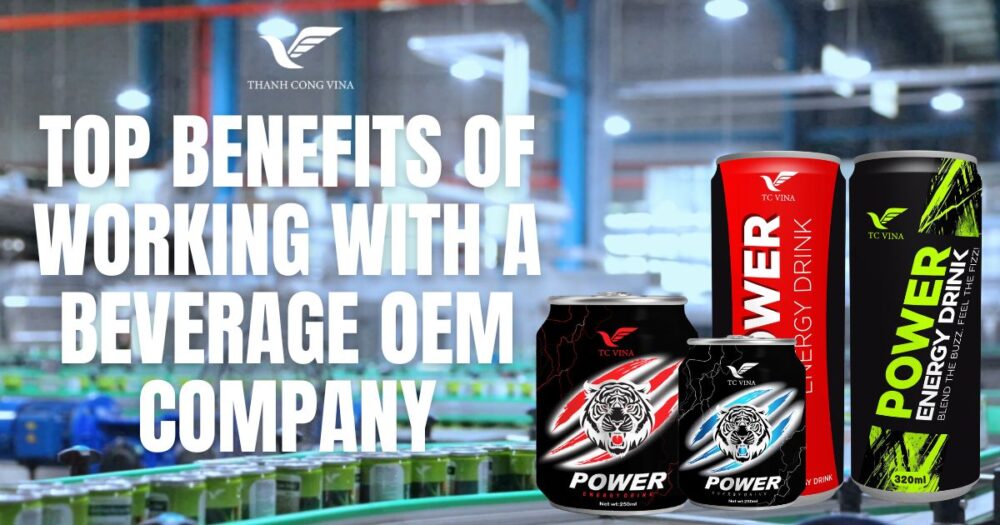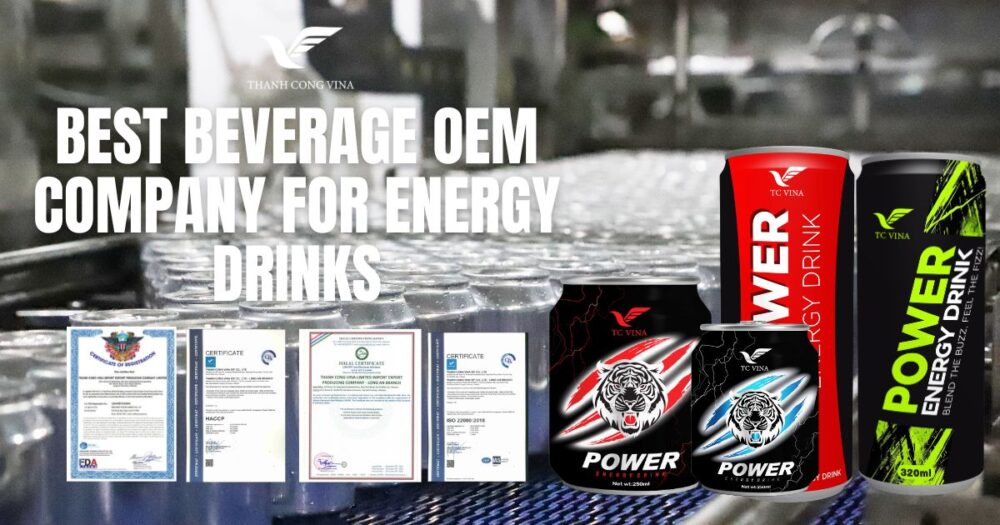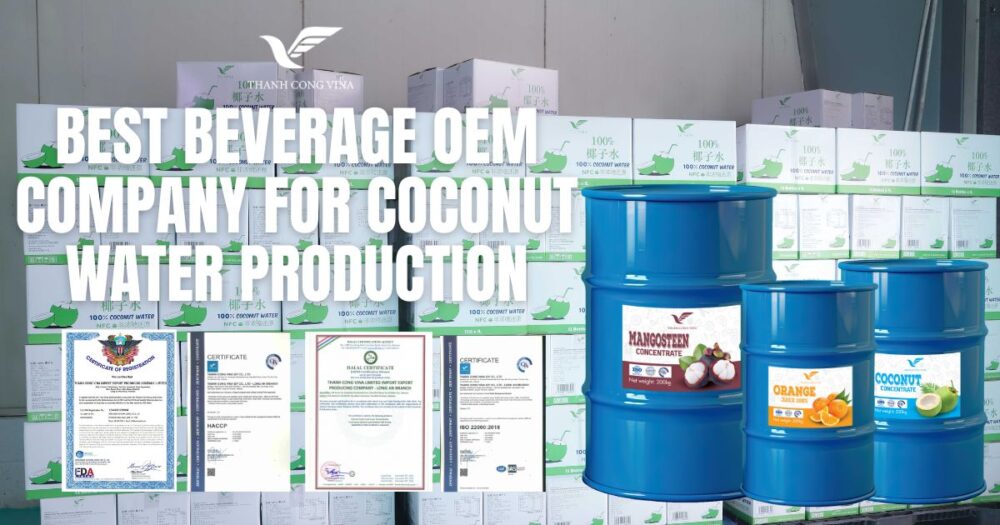

A reliable Beverage OEM Company can play a critical role in helping beverage brands enter and expand across global export markets. As international consumers increasingly seek convenient, innovative, and high-quality beverages, brands need manufacturing partners that can deliver consistent products while adapting to different market requirements. Building an independent beverage factory requires significant investment in equipment, facilities, technical personnel, quality systems, and supply chain management. OEM manufacturing provides a more flexible alternative.
A professional OEM partner can manage multiple stages of beverage production, from product development and ingredient sourcing to manufacturing, packaging, quality control, documentation, and export preparation. This integrated approach allows importers, distributors, retailers, startups, and established beverage companies to focus on brand development and market expansion.
Vietnam has become an attractive manufacturing destination because of its agricultural resources, competitive production environment, strategic location, and growing international trade network. By working with the right Beverage OEM Company, global brands can access customized production capabilities while improving supply chain efficiency and reducing the complexity of international beverage sourcing.
1. Why Global Brands Work with a Beverage OEM Company
Why Global Brands Work with a Beverage OEM Company
International beverage markets are highly competitive. Brands must respond to consumer trends while maintaining product quality, pricing, packaging appeal, and reliable availability. An experienced Beverage OEM Company can provide the manufacturing infrastructure and technical expertise required to meet these challenges.
Reducing Manufacturing Investment
Building an independent beverage factory involves substantial capital investment. A company must purchase production equipment, establish processing areas, develop laboratories, hire technical staff, and implement food safety management systems.
OEM manufacturing reduces these barriers.
Instead of investing in an entire production facility, a beverage brand can work with an established manufacturer that already has:
- Beverage production lines
- Processing equipment
- Filling and packaging systems
- Quality control laboratories
- Experienced production teams
- Ingredient supplier networks
- Warehousing infrastructure
This allows businesses to allocate more resources toward marketing, sales, distribution, and international brand development.
Accessing Professional Manufacturing Expertise
A Beverage OEM Company does more than manufacture a finished beverage. Experienced manufacturers understand how ingredients, processing conditions, packaging, shelf life, and transportation can affect the final product.
This technical knowledge is especially important when exporting beverages over long distances.
Manufacturers can help buyers evaluate product specifications and identify potential challenges before commercial production begins. This reduces the possibility of costly formulation or packaging problems after the product has entered the supply chain.
Supporting Business Scalability
OEM manufacturing is also suitable for companies at different stages of development.
A startup may begin with one beverage product and a limited order quantity. As sales increase, the company may require additional flavors, packaging sizes, and larger production volumes.
A capable manufacturing partner can support this progression without requiring the brand to establish another production facility.
This creates a scalable manufacturing model for international beverage businesses.
2. Beverage OEM Company for International Export Markets
Export markets have different consumer preferences, regulations, packaging expectations, and distribution conditions. A strong Beverage OEM Company should therefore be able to adapt manufacturing solutions according to the destination market.
Market-Specific Product Development
Consumers in different countries may have different preferences for sweetness, acidity, fruit content, flavor combinations, and nutritional profiles.
For example, a beverage brand targeting health-conscious consumers may request a reduced-sugar formula. Another customer may prefer a fruit drink with a stronger tropical flavor and higher fruit content.
OEM manufacturing can support customization of:
- Flavor profiles
- Fruit percentages
- Sweetness levels
- Acidity
- Ingredients
- Nutritional values
- Functional components
- Serving sizes
This allows brands to develop products specifically for their target consumers rather than using a single formula for every market.
Beverage Categories for Export
A versatile Beverage OEM Company can manufacture different product categories according to customer requirements.
Potential export products include:
- Fruit Juice Drinks
- Fruit Juice Concentrates
- Coconut Water
- Aloe Vera Drinks
- Nata de Coco Drinks
- Ready-to-Drink Coffee
- Milk Coffee
- Latte
- Cappuccino
- Tea Beverages
- Functional Beverages
- Plant-Based Drinks
This product diversity allows importers and distributors to develop broader beverage portfolios while maintaining relationships with one experienced manufacturing partner.
Private Label Manufacturing
Private labeling is particularly valuable for retailers, distributors, and beverage importers.
Instead of selling an existing manufacturer’s brand, businesses can develop products under their own names.
The manufacturer can support:
- Brand customization
- Label production
- Packaging artwork
- Product specifications
- Nutrition information
- Barcode requirements
- Carton design
- Export packaging
Private-label manufacturing gives buyers greater control over brand positioning and market differentiation.
3. Quality Control for International Beverage Exports
Quality Control for International Beverage Exports
Quality consistency is essential when beverages are distributed across international markets. A product that performs well in one shipment must maintain the same quality in subsequent production batches.
A professional Beverage OEM Company should therefore implement quality control throughout the entire manufacturing process.
Raw Material Control
Quality begins with ingredient selection.
Manufacturers need reliable sources for fruit ingredients, coconut water, coffee, tea, sweeteners, stabilizers, and other components.
Incoming materials can be evaluated according to:
- Ingredient specifications
- Appearance
- Aroma
- Taste
- Physical characteristics
- Microbiological parameters
- Supplier documentation
Stable raw material quality supports consistent finished products.
For fruit-based beverages, this is especially important because seasonal variations can affect flavor, color, acidity, and nutritional characteristics.
Production Monitoring
Quality assurance continues during processing.
Depending on the product, manufacturers may monitor:
- Ingredient ratios
- Mixing conditions
- Processing temperatures
- Filling accuracy
- Sealing performance
- Product appearance
- Sensory characteristics
- Microbiological parameters
Production monitoring helps identify potential deviations before products are released.
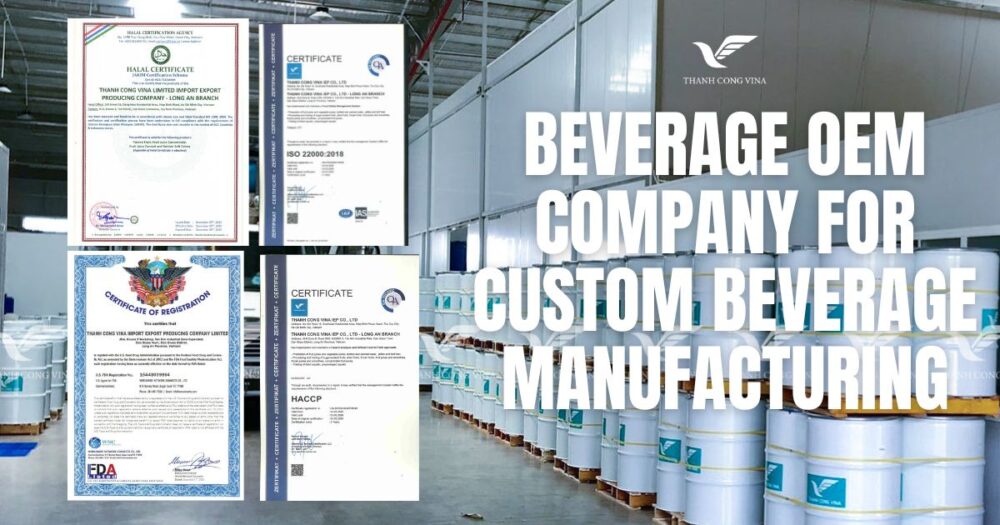
Food Safety Certifications
International buyers frequently evaluate a manufacturer’s food safety certifications before establishing a partnership.
Relevant systems and certifications may include:
- HACCP
- ISO 22000
- FSSC 22000
- GMP
- HALAL
- FDA-related requirements
The appropriate certifications depend on the product and destination market. Export-oriented manufacturers should also be prepared to provide technical specifications, certificates, testing documents, and other information required by buyers.
4. Packaging and Logistics for Global Beverage Distribution
Packaging has an important role in international beverage exports. It protects products during transportation while also communicating the brand’s identity to consumers.
Flexible Packaging Formats
An experienced Beverage OEM Company can provide different packaging formats depending on the product and target market.
These may include:
- Aluminum cans
- PET bottles
- Glass bottles
- Cartons
- Slim cans
- Standard cans
Common product sizes may include 250ml, 320ml, 330ml, 500ml, and larger formats.
The selection depends on the beverage category, consumer preferences, distribution channels, shelf-life requirements, transportation conditions, and retail positioning.
Export-Ready Packaging
International transportation creates additional packaging requirements.
Products may travel by sea for several weeks before reaching the destination market. Packaging therefore needs to provide appropriate protection against handling, vibration, temperature changes, and storage conditions.
A professional manufacturer can work with buyers to select suitable packaging materials and secondary cartons for international shipment.
Shipping and Documentation Support
Exporting beverages requires accurate documentation and coordinated logistics.
Depending on the destination and transaction, documentation may involve:
- Commercial invoices
- Packing lists
- Certificates of origin
- Product specifications
- Health or food safety documentation
- Certificates of analysis
- Shipping documentation
An experienced export-oriented manufacturer can coordinate with logistics partners and buyers to help ensure that shipments are prepared correctly.
5. How a Beverage OEM Company Helps Brands Enter New Markets
How a Beverage OEM Company Helps Brands Enter New Markets
Entering a new country requires more than producing a beverage. Brands must understand local consumers, distribution channels, regulations, pricing structures, and competitive products.
A manufacturing partner can contribute to this process through product and production support.
Developing Products for Local Preferences
A beverage formula successful in one country may not achieve the same results elsewhere.
Consumers can have significantly different preferences regarding sweetness, flavor intensity, portion sizes, packaging materials, and product positioning.
A Beverage OEM Company can modify products according to buyer requirements and help brands create market-specific versions.
For example, tropical fruit beverages can be developed with different flavor profiles for Asian, Middle Eastern, European, or North American markets.
Supporting Retail and Distribution Channels
Different channels also require different packaging and product strategies.
Beverages may be distributed through:
- Supermarkets
- Convenience stores
- E-commerce
- Foodservice
- Hotels
- Restaurants
- Cafés
- Wholesalers
- Importers
- Distributors
OEM manufacturing allows brands to develop different SKUs for different channels while maintaining consistent quality and brand positioning.
Creating Product Line Extensions
Once a product performs well in one market, the brand may want to expand its portfolio.
An established Beverage OEM Company can support the development of additional:
- Flavors
- Sizes
- Packaging formats
- Beverage categories
- Seasonal products
- Functional variations
This helps brands build a broader portfolio without changing manufacturing partners.
6. Choosing the Right Beverage OEM Partner for Export
Selecting an OEM manufacturer requires careful evaluation. Price is important, but it should not be the only consideration.
Manufacturing Capabilities
Buyers should review the manufacturer’s:
- Production capacity
- Product categories
- Packaging formats
- R&D capabilities
- Quality control systems
- Factory infrastructure
- Production technology
The facility should be capable of producing the required beverage according to agreed specifications.
Export Experience
International experience is another important factor.
A manufacturer familiar with export markets is more likely to understand the importance of documentation, packaging requirements, shipping schedules, product specifications, and communication with international buyers.
This experience can reduce risks throughout the supply chain.
Communication and Long-Term Partnership
Successful OEM manufacturing depends on clear communication.
Buyers should expect transparent information about:
- Minimum order quantities
- Lead times
- Sample development
- Production schedules
- Packaging requirements
- Quality standards
- Shipping arrangements
A manufacturer that communicates effectively can become more than a production supplier. It can become a long-term strategic partner supporting the brand’s international growth.
7. Vietnam as a Strategic Base for Beverage Export Manufacturing
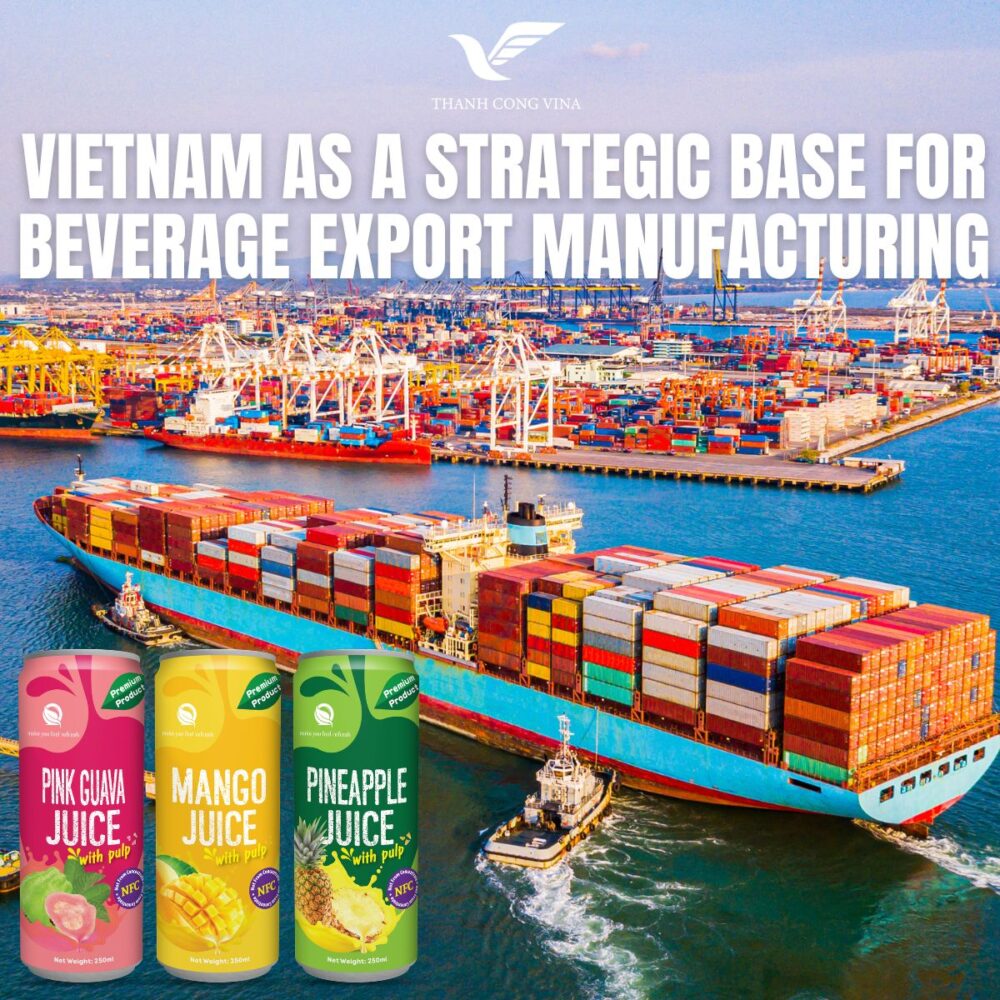
Vietnam as a Strategic Base for Beverage Export Manufacturing
Vietnam’s position in Southeast Asia provides several advantages for international beverage sourcing.
The country has strong agricultural production, particularly in tropical fruits, coconut, coffee, and other ingredients used in beverage manufacturing.
Local Ingredient Availability
Local sourcing can provide access to ingredients such as mango, passion fruit, pineapple, coconut, guava, lychee, dragon fruit, coffee, and tea.
This creates opportunities for brands to develop products with authentic tropical profiles while maintaining competitive sourcing costs.
Competitive Production Environment
Vietnam offers a combination of skilled labor, growing manufacturing infrastructure, supplier networks, and international trade connectivity.
These factors allow beverage companies to explore cost-effective production without necessarily compromising on quality.
Growing International Connectivity
Vietnam’s expanding export infrastructure enables manufacturers to serve customers in multiple regions.
For international brands, this provides opportunities to establish a diversified supply chain and reduce dependence on a single manufacturing market.
Conclusion
A reliable Beverage OEM Company can provide international beverage brands with the manufacturing expertise, customization capabilities, quality systems, packaging solutions, and export support required to compete in global markets. By outsourcing production to an experienced partner, businesses can reduce infrastructure investment, accelerate product development, improve operational efficiency, and focus more resources on branding, sales, and distribution.
For global importers, distributors, retailers, and private-label beverage companies, Vietnam offers an increasingly attractive manufacturing environment supported by agricultural resources, competitive production capabilities, modern facilities, and international export experience. The right OEM partner can help transform a beverage concept into a scalable commercial product while maintaining consistent quality across different production batches and markets.
Thanh Cong Vina delivers customized OEM and private-label beverage manufacturing solutions for international businesses seeking reliable production and export support. With capabilities across fruit juice drinks, coconut water, aloe vera beverages, ready-to-drink coffee, and other beverage categories, Thanh Cong Vina combines product development, quality management, manufacturing expertise, and export-oriented service to help brands build competitive portfolios. For businesses searching for a trusted Beverage OEM Company, choosing an experienced Vietnamese manufacturing partner can create a stronger foundation for long-term global expansion.