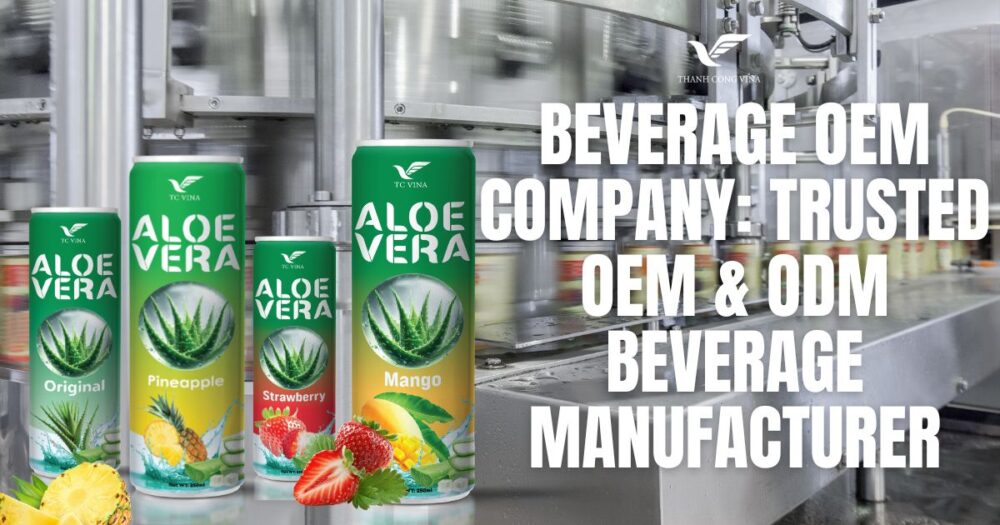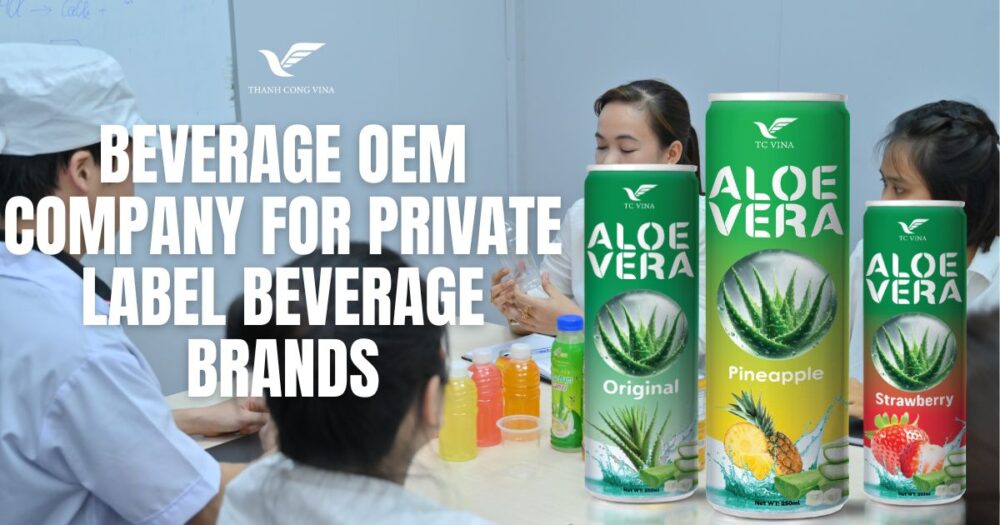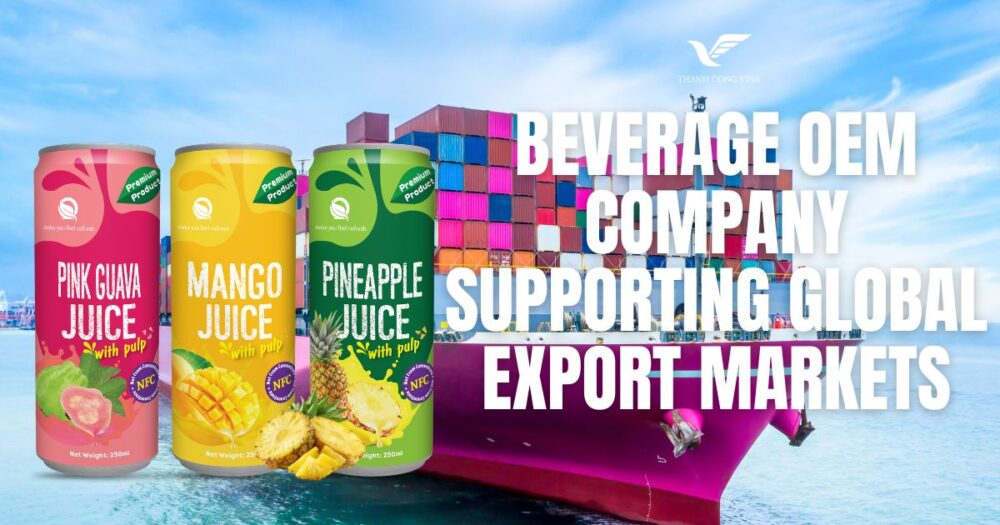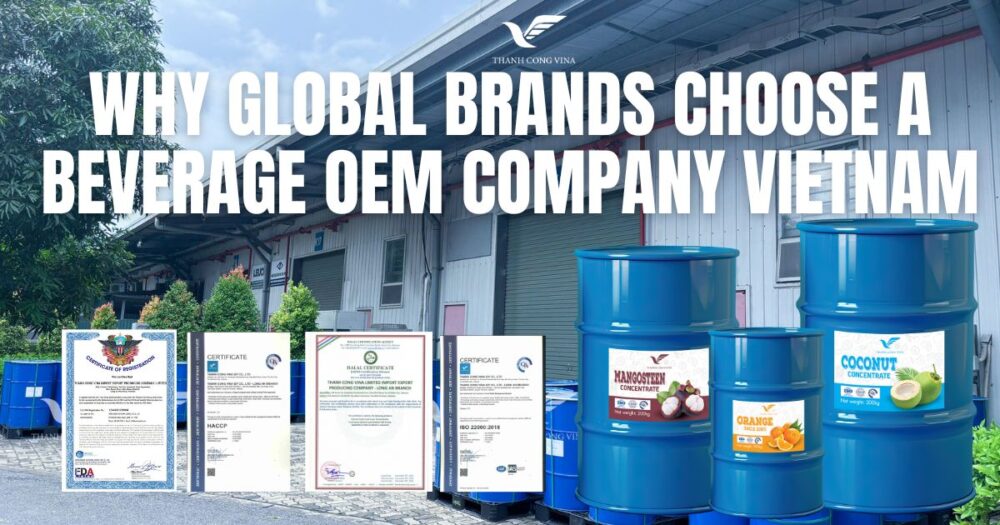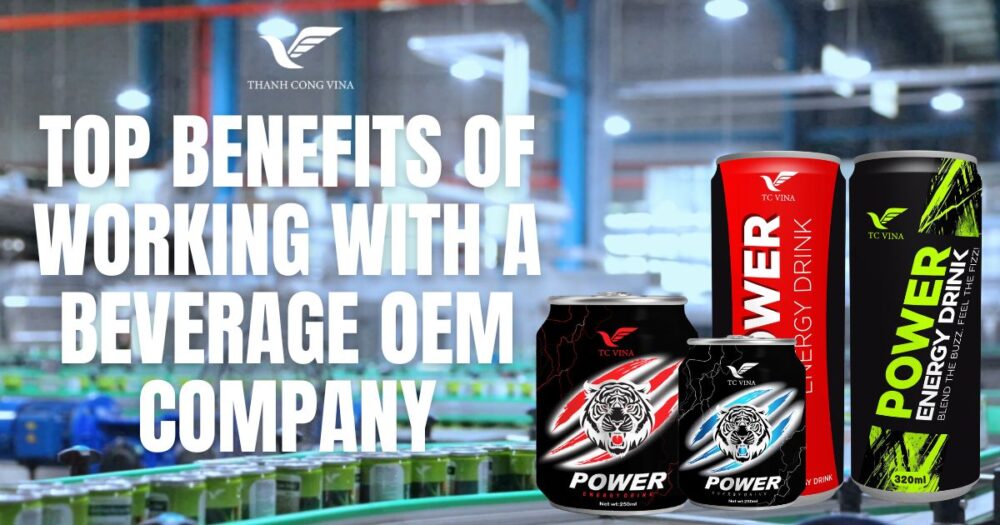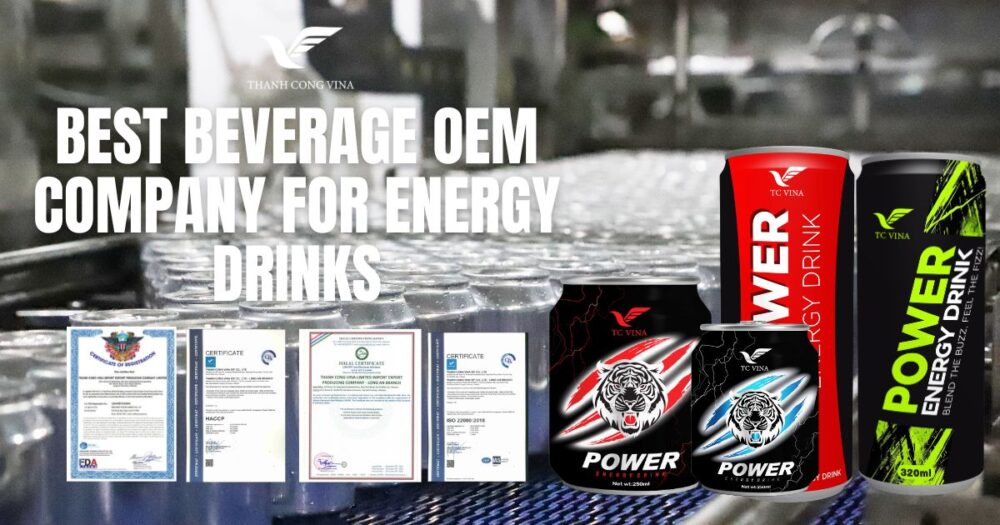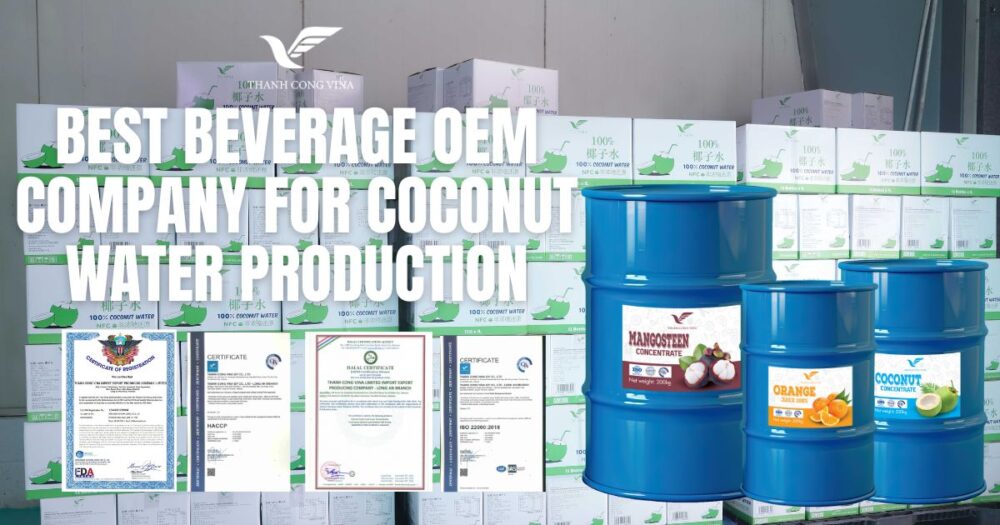

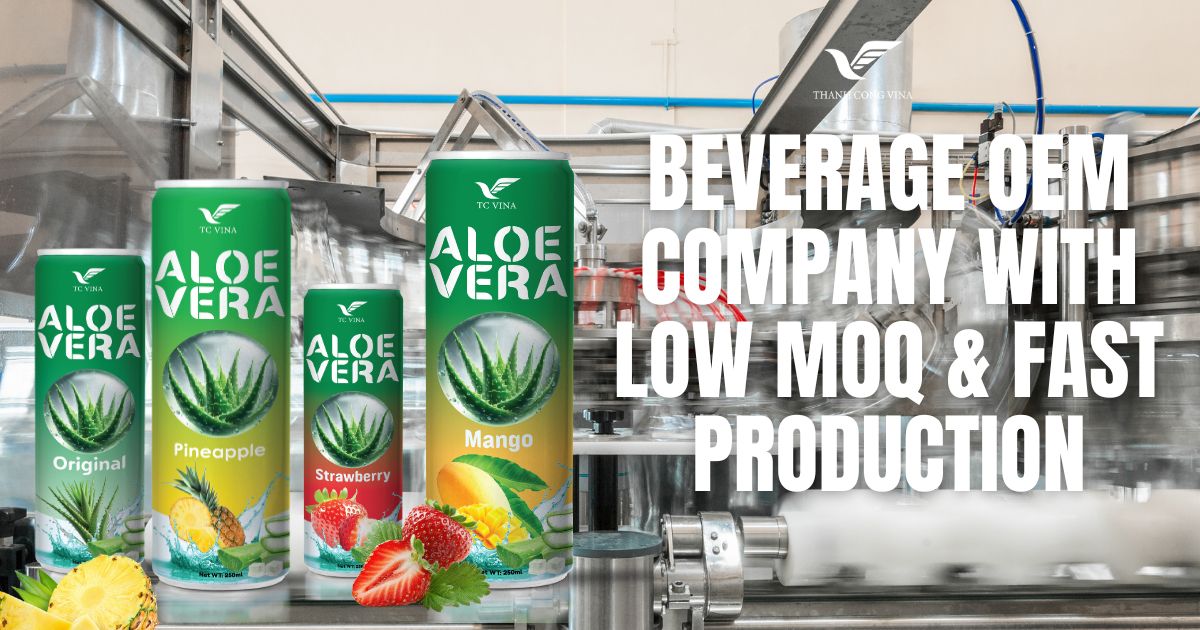
A professional Beverage OEM Company with low MOQ and efficient production capabilities allows startups, importers, distributors, retailers, and established brands to develop customized beverages without committing to unnecessarily large inventory volumes. This approach can reduce financial pressure, minimize storage risks, and make it easier to test new products before expanding distribution.
Low MOQ manufacturing is particularly valuable when a company is launching a new beverage, entering a new geographical market, testing a new flavor, or developing a private-label product. Instead of investing heavily in unproven products, buyers can start with a manageable production quantity and evaluate market response.
Fast production is equally important. Delayed manufacturing can affect product launches, promotional campaigns, seasonal sales, and inventory planning. By combining flexible order quantities with streamlined production management, an experienced Beverage OEM Company can help brands shorten the path from product concept to commercial availability while maintaining consistent quality and professional manufacturing standards.
1. Why Low MOQ Matters for Beverage Brands
Why Low MOQ Matters for Beverage Brands
Minimum order quantity is one of the most important considerations when selecting an OEM beverage manufacturer. A high MOQ can create significant challenges for businesses that are still developing their market presence.
Lower Financial Risk
Large production orders require substantial upfront investment.
For a new beverage brand, committing to thousands of cartons before understanding consumer demand can create unnecessary financial pressure. Unsold inventory may also generate storage expenses, cash-flow problems, and product expiry risks.
A Beverage OEM Company that supports flexible MOQ allows buyers to manage initial investment more effectively.
Instead of committing a large amount of capital to one product, businesses can allocate their budget across:
- Product development
- Packaging
- Marketing
- Distribution
- Sales activities
- Market testing
This creates a more balanced approach to launching a beverage product.
Easier Market Testing
Market testing is essential for new beverage concepts.
A product that looks attractive during development may perform differently when introduced to real consumers. Taste preferences, packaging design, pricing, and product positioning can all influence market acceptance.
Low MOQ allows businesses to produce an initial quantity and evaluate:
- Customer feedback
- Sales performance
- Retail response
- Repeat purchase behavior
- Distributor interest
- Consumer preferences
Based on the results, the next production run can be adjusted or expanded.
Greater Product Variety
Low MOQ also enables businesses to develop multiple SKUs rather than putting all resources into one product.
For example, a beverage brand may launch several flavors:
- Mango
- Passion Fruit
- Pineapple
- Pink Guava
- Peach
- Lychee
Instead of producing a very large quantity of one flavor, flexible manufacturing can make it easier to test a broader portfolio.
This strategy is particularly valuable for retailers and distributors that want to determine which products have the strongest market potential.
2. Beverage OEM Company with Low MOQ for Flexible Product Development
A Beverage OEM Company offering low MOQ should provide more than small-volume production. It should also offer flexibility throughout product development, packaging, and manufacturing.
Customized Beverage Formulation
Every market has different consumer expectations.
Some customers may prefer sweeter fruit drinks, while others may seek reduced-sugar products. Some markets may favor strong tropical flavors, whereas others may prefer lighter and more refreshing profiles.
An experienced R&D team can customize:
- Flavor
- Sweetness
- Acidity
- Fruit content
- Ingredients
- Nutritional profile
- Functional components
- Product texture
This allows brands to develop products based on their specific target audience.
Flexible Beverage Categories
A versatile manufacturer can support different beverage categories, allowing businesses to experiment with new products.
Potential products include:
- Fruit Juice Drinks
- Coconut Water
- Aloe Vera Drinks
- Nata de Coco Beverages
- Ready-to-Drink Coffee
- Milk Coffee
- Latte
- Cappuccino
- Tea Drinks
- Functional Beverages
This flexibility allows a company to work with one manufacturing partner even as its product portfolio grows.
Packaging Customization
Packaging plays an important role in market positioning.
Depending on the product and target market, manufacturers can offer:
- Aluminum cans
- PET bottles
- Glass bottles
- Cartons
- Slim cans
Common beverage sizes include 250ml, 320ml, 330ml, and 500ml.
Packaging can be customized with the buyer’s:
- Brand name
- Logo
- Label
- Product information
- Nutrition panel
- Barcode
- Carton design
This is especially useful for private-label brands seeking a unique market identity.
3. Fast Production for Faster Market Entry
Fast Production for Faster Market Entry
Speed is increasingly important in the beverage industry. Trends can change quickly, and brands need to respond to consumer demand before competitors occupy the market.
Shorter Product Development Cycles
Fast production begins with efficient product development.
A manufacturer with an experienced R&D team can streamline the process from:
- Product concept
- Formula development
- Sample preparation
- Buyer evaluation
- Formula adjustment
- Packaging approval
- Commercial production
A structured process reduces unnecessary delays and helps brands move toward market launch more efficiently.
Efficient Production Planning
Production speed does not mean sacrificing quality.
A professional Beverage OEM Company should use organized production planning to coordinate:
- Ingredients
- Packaging materials
- Production schedules
- Quality inspections
- Warehouse capacity
- Shipment preparation
Efficient planning reduces idle production time and helps ensure orders are completed according to agreed schedules.
Fast Response to Market Opportunities
Fast production is particularly valuable for businesses responding to:
- Seasonal demand
- Promotional campaigns
- New retail contracts
- Market trends
- Product launches
- Distributor opportunities
When a brand receives a large order or identifies a new market opportunity, an efficient manufacturing partner can help scale production more quickly.
4. Quality Control with Low MOQ and Fast Manufacturing
Low MOQ and fast production are valuable only when quality remains consistent. International buyers should therefore evaluate the manufacturer’s quality management system before selecting a supplier.
Raw Material Inspection
Quality begins with incoming ingredients.
A professional manufacturer should evaluate raw materials according to established specifications.
For fruit beverages, quality factors may include:
- Appearance
- Color
- Aroma
- Taste
- Fruit characteristics
- Microbiological parameters
- Supplier documentation
Consistent raw material control helps maintain the same product profile from one batch to another.
Production Monitoring
Quality teams should monitor critical manufacturing stages.
Depending on the product, this can include:
- Ingredient measurement
- Mixing
- Processing
- Temperature control
- Filling
- Sealing
- Packaging
- Finished product inspection
These controls are essential when production timelines are accelerated.
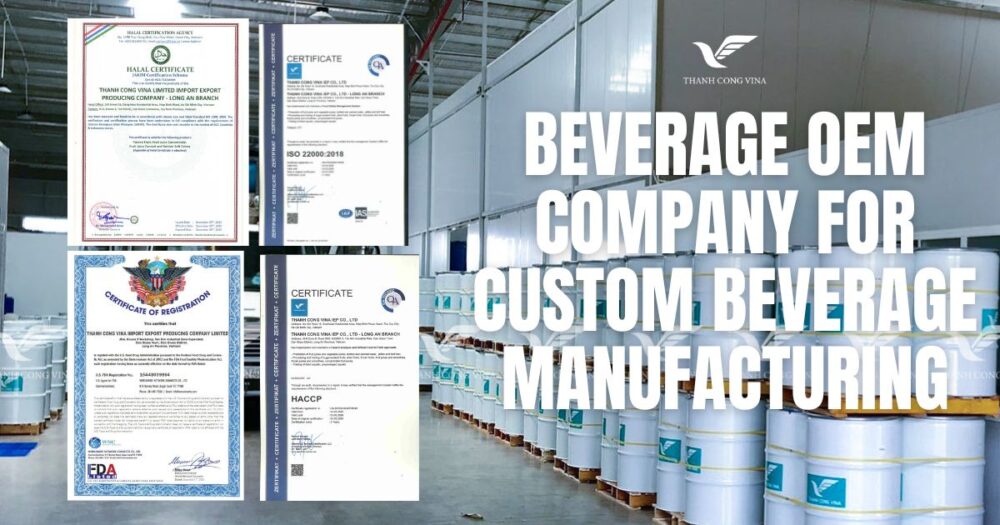
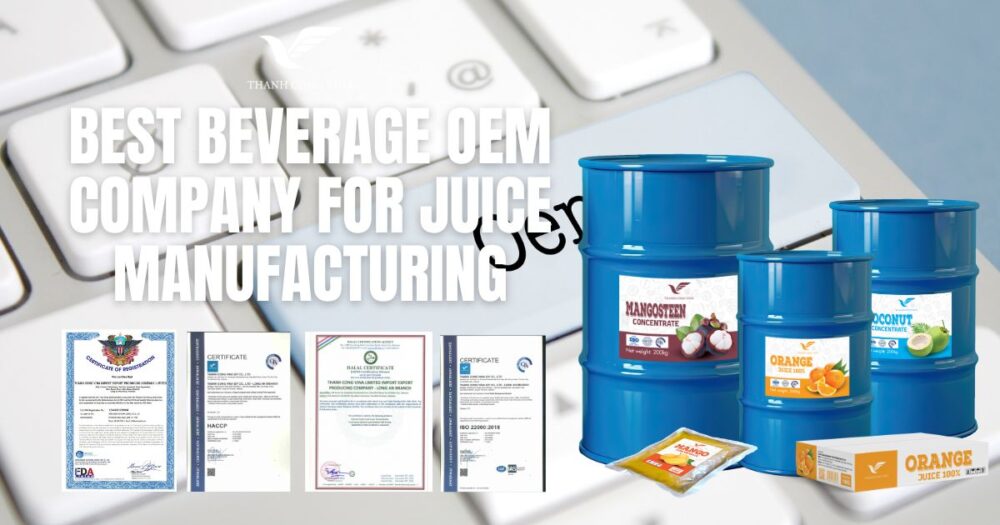
Food Safety Certifications
International buyers often look for manufacturers operating under recognized food safety systems.
Depending on the facility and market, certifications and standards may include:
- HACCP
- ISO 22000
- FSSC 22000
- GMP
- HALAL
- FDA-related requirements
Certifications provide evidence that the manufacturer has established structured procedures for managing food safety and production quality.
5. Low MOQ OEM Manufacturing for Startups and Growing Brands
Low MOQ OEM Manufacturing for Startups and Growing Brands
Startups often face different challenges from established beverage companies. They need to manage limited budgets while simultaneously developing products, building brand awareness, and testing sales channels.
Startup-Friendly Product Launches
A low MOQ Beverage OEM Company allows startups to launch without immediately carrying excessive inventory.
This is useful for companies entering the market with:
- One new beverage concept
- Several flavor variations
- Limited-edition products
- Seasonal beverages
- Private-label products
Smaller initial orders can help startups validate their business model before increasing production.
Supporting E-Commerce Beverage Brands
E-commerce has created new opportunities for beverage businesses.
Online brands can test products through:
- Brand websites
- Online marketplaces
- Social commerce
- Subscription models
- Direct-to-consumer campaigns
Low MOQ makes it easier to align production with actual sales instead of producing excessive inventory.
Supporting Retail Expansion
Once a product demonstrates strong demand online or through smaller retail channels, brands can increase production.
The ideal manufacturing relationship should allow the business to move from small initial orders toward larger commercial quantities.
This scalability is important because changing suppliers during a period of rapid growth can create unnecessary operational challenges.
6. Export-Ready Manufacturing for International Buyers
A low MOQ and fast production model becomes even more valuable when supported by international export capabilities.
Export Packaging
Beverages transported internationally may spend weeks in shipping and storage.
Packaging should therefore be suitable for:
- Long-distance transportation
- Container loading
- Stacking
- Handling
- Temperature variation
- Warehouse storage
A professional manufacturer can recommend appropriate packaging specifications for export conditions.
Export Documentation
International beverage shipments may require different documents depending on the destination market.
Common documentation can include:
- Commercial Invoice
- Packing List
- Certificate of Origin
- Product Specification
- Certificate of Analysis
- Food Safety Documentation
- Shipping Documents
An experienced export manufacturer can help coordinate the necessary documentation with buyers and logistics providers.
International Market Adaptation
Different markets can have different requirements for product labels, ingredients, nutrition information, packaging, and product claims.
A capable Beverage OEM Company should be prepared to work with international customers to adapt product specifications according to the intended destination.
7. How to Choose a Beverage OEM Company with Low MOQ & Fast Production
How to Choose a Beverage OEM Company with Low MOQ & Fast Production
Not every manufacturer offering low MOQ can also deliver fast and reliable production. Buyers should evaluate several factors before entering a partnership.
Verify Production Capacity
Low MOQ does not necessarily mean limited manufacturing capability.
Evaluate:
- Production lines
- Daily or monthly capacity
- Product categories
- Packaging capabilities
- Warehouse facilities
- R&D resources
The factory should be capable of handling both initial small orders and future increases in production volume.
Check Lead Times
Ask the manufacturer to clearly explain expected timelines for:
- Product development
- Sample production
- Packaging preparation
- Commercial manufacturing
- Quality inspection
- Shipment preparation
Clear lead-time information helps businesses plan product launches and inventory.
Evaluate Communication
Fast manufacturing requires fast communication.
A reliable OEM partner should respond efficiently to questions about specifications, packaging, samples, production schedules, and documentation.
Transparent communication helps prevent delays and misunderstandings.
Review Long-Term Scalability
The right manufacturer should be capable of supporting business growth.
A startup may initially require low MOQ, but successful market development can quickly create larger production requirements.
Therefore, buyers should choose an OEM partner that can provide both flexible initial production and scalable long-term capacity.
Conclusion
A Beverage OEM Company offering low MOQ and fast production provides a valuable solution for businesses seeking flexible, efficient, and scalable beverage manufacturing. Low MOQ reduces the financial risk associated with launching new products, while fast production helps brands respond quickly to market opportunities, seasonal demand, retail requirements, and consumer trends. Together, these advantages create a practical manufacturing model for startups, importers, distributors, retailers, and established international beverage brands.
The ideal manufacturing partner should combine flexible order quantities with strong R&D capabilities, customized formulations, modern production systems, comprehensive quality control, suitable packaging, and export experience. This ensures that speed and flexibility never come at the expense of product consistency or food safety.
Thanh Cong Vina Beverage provides customized OEM and private-label beverage manufacturing solutions for international customers seeking flexible production and reliable quality. With capabilities covering fruit juice drinks, coconut water, aloe vera beverages, ready-to-drink coffee, and other beverage categories, Thanh Cong Vina supports product development, packaging customization, quality management, and export preparation. For startups and global beverage brands looking for a dependable Beverage OEM Company, choosing an experienced partner with flexible MOQ and efficient production capabilities can create a strong foundation for successful market testing, expansion, and long-term international growth.