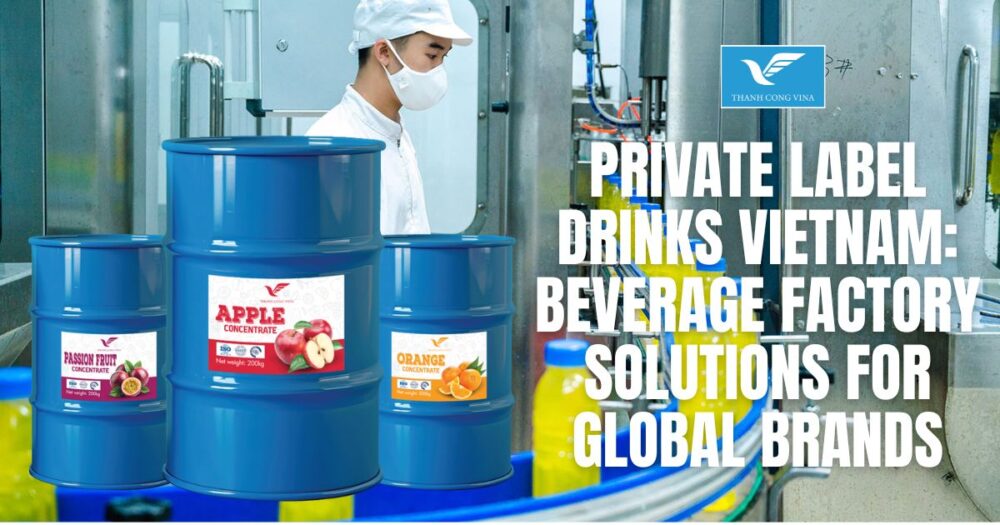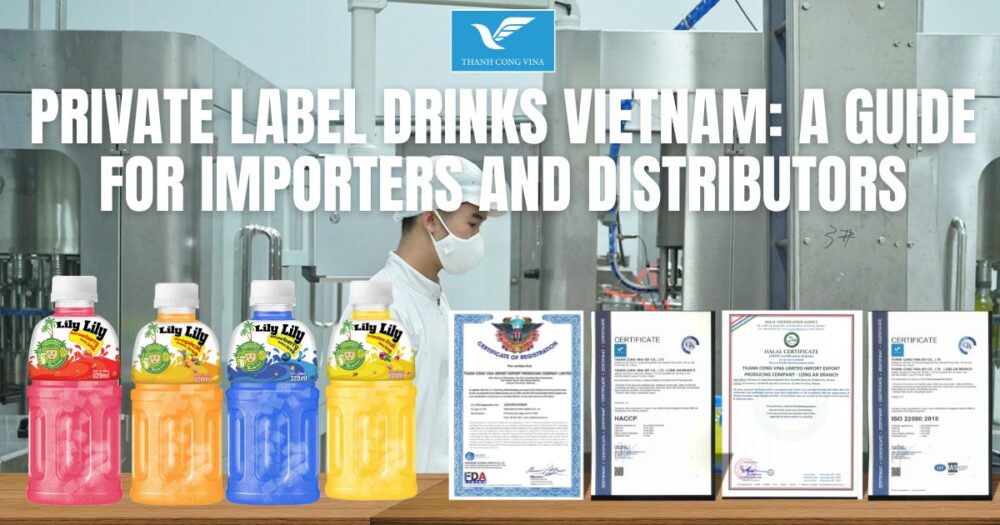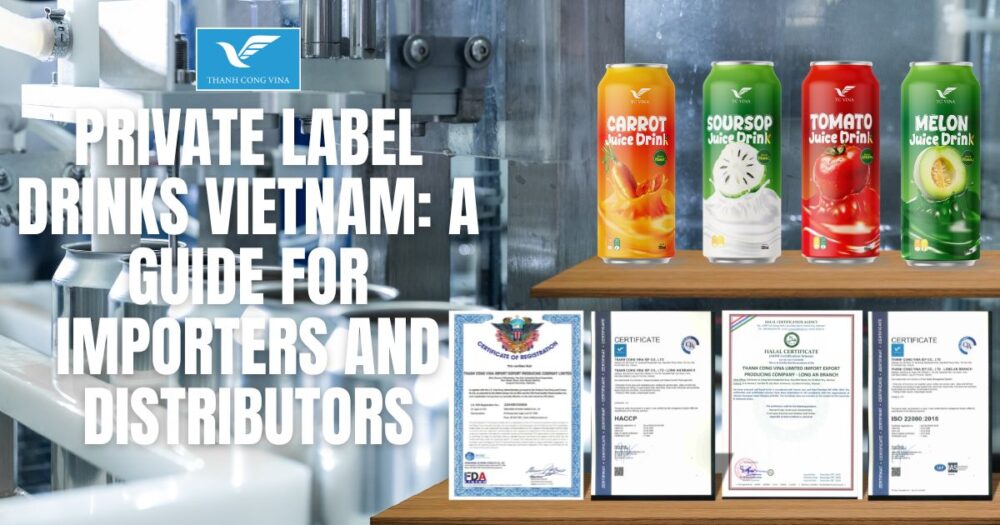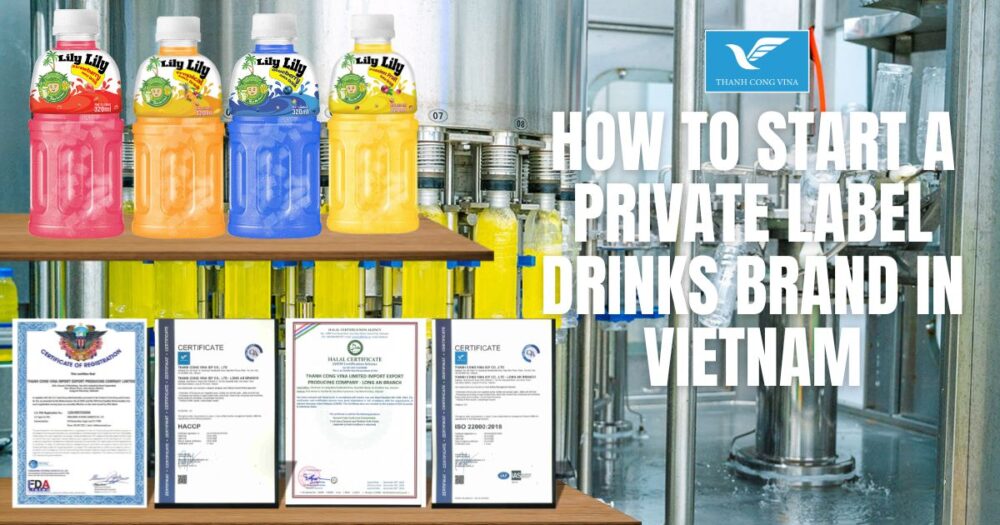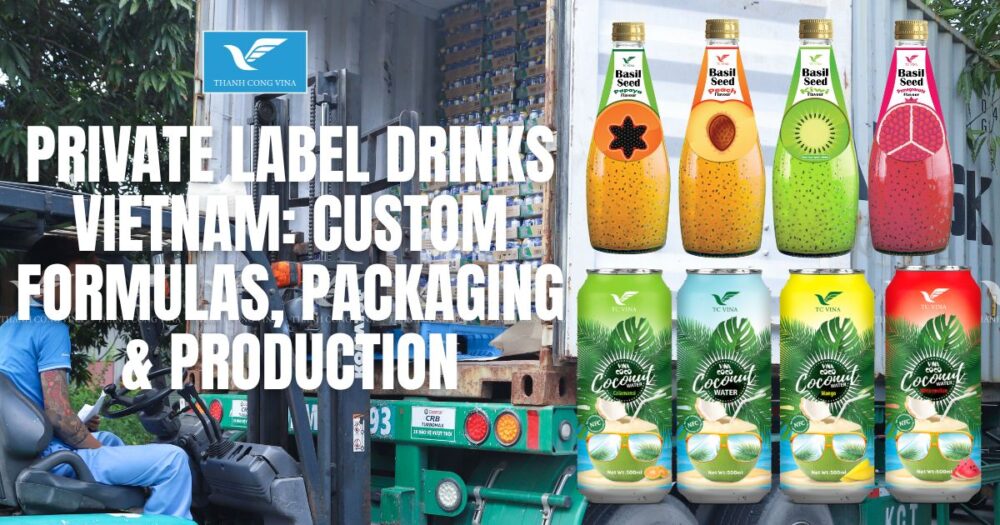

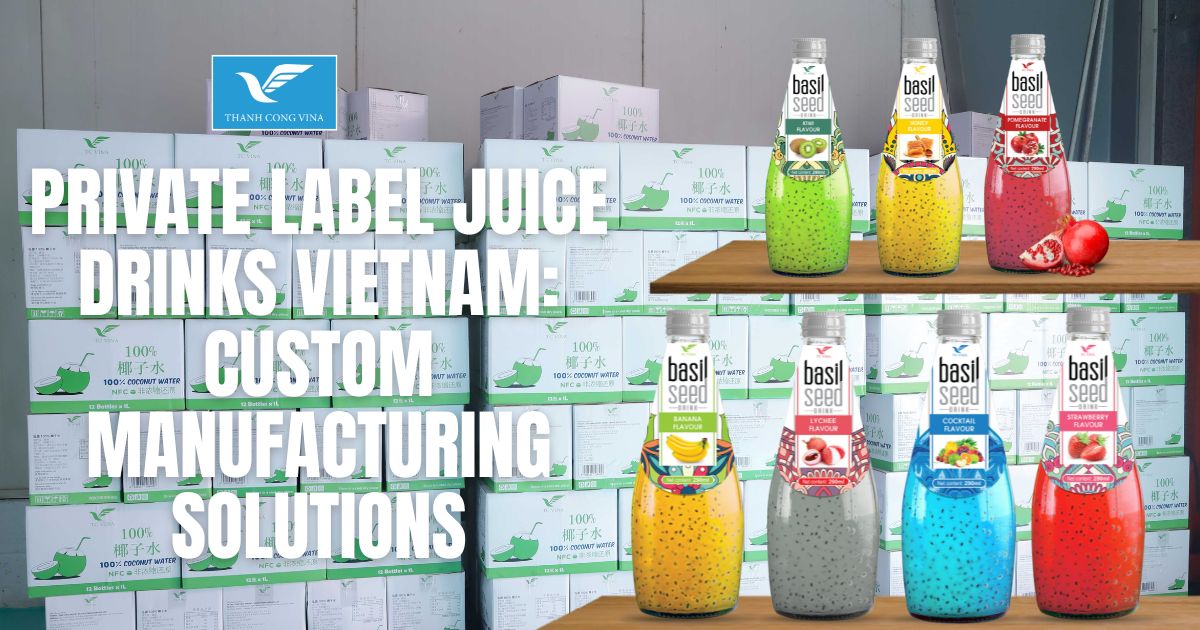
Private Label manufacturing provides an efficient way for businesses to create customized juice drinks under their own brand without establishing a complete beverage production facility. Vietnam has become an attractive manufacturing destination thanks to its access to tropical fruit ingredients, established food-processing capabilities, and export-oriented production environment.
By working with an experienced beverage manufacturer, international buyers can develop customized juice drinks according to their target market, packaging requirements, flavor preferences, and commercial objectives. From formula development and sampling to filling, packaging, quality inspection, and export preparation, a professional manufacturing partner can support the entire product development process.
1. Why Private Label Juice Drinks from Vietnam Are Gaining Attention
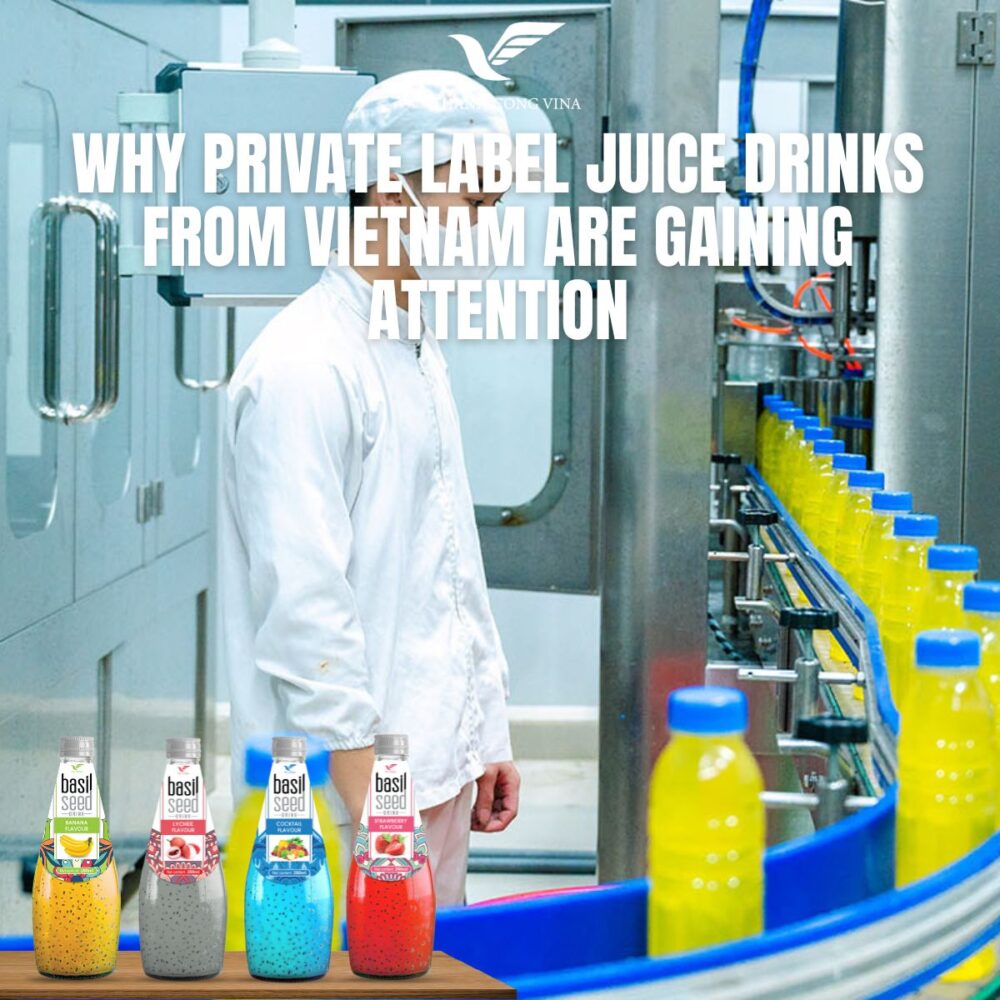
Why Private Label Juice Drinks from Vietnam Are Gaining Attention
Vietnam has a strong agricultural base and a diverse range of tropical fruits, creating opportunities for beverage brands seeking distinctive juice products. Mango, pineapple, passion fruit, orange, guava, peach, soursop, and other fruit-based ingredients can be developed into different beverage concepts for international markets.
Access to Diverse Fruit Ingredients
One of the major advantages of sourcing juice drinks from Vietnam is access to a broad selection of fruit ingredients. Local agricultural production supports the development of fruit-based beverages with different flavor profiles, colors, and formulations.
For beverage brands, this diversity creates opportunities to build a product portfolio around tropical flavors. A brand may start with several core flavors and later introduce seasonal products or region-specific combinations.
Fruit ingredients can also be selected according to the desired product positioning. Depending on the formulation, manufacturers can develop products ranging from refreshing fruit drinks to more concentrated juice-based beverages.
Flexible Product Development
Private Label manufacturing allows businesses to create products that reflect their own brand identity rather than simply purchasing standard products. Buyers can discuss preferred flavors, sweetness levels, fruit content, packaging formats, and product positioning with the manufacturer.
This flexibility is particularly useful for businesses entering new markets. Instead of adapting an existing product to a market after production, brands can work with the manufacturer during the development stage to create a product more closely aligned with local consumer preferences.
Competitive Manufacturing Environment
Vietnam’s beverage manufacturing sector supports both domestic and international markets. Modern factories can provide production services for different beverage categories while following structured food safety and quality-control procedures.
For international buyers, this can create a practical sourcing model in which product development, manufacturing, packaging, and export preparation are coordinated through one manufacturing partner.
2. Private Label Juice Drinks Manufacturing Solutions
A successful juice product begins with a clear manufacturing plan. Professional Private Label production typically covers several stages, from product concept development to finished-goods preparation.
Product Concept and Formula Development
The first stage is understanding the buyer’s product concept. Manufacturers may work with clients to determine the desired flavor, beverage type, target market, packaging format, and positioning.
For example, a buyer may request a tropical fruit drink designed for retail distribution in Asia, the Middle East, Europe, or other international markets. The product can then be developed around the expected taste profile, packaging requirements, and applicable market standards.
Formula development may include adjustments to sweetness, acidity, fruit content, flavor intensity, and other technical parameters. The objective is to create a commercially suitable product while maintaining consistency during large-scale production.
Sampling and Product Approval
Before mass production, samples provide an important opportunity to evaluate the proposed product. Buyers can assess taste, appearance, aroma, texture, packaging presentation, and overall product suitability.
Multiple sample rounds may be used when adjustments are required. This process allows the manufacturer and buyer to align on the final specifications before production begins.
A clearly approved product specification also helps reduce misunderstandings during manufacturing. Once the formula and packaging are confirmed, production can move forward according to the agreed requirements.
Scaling from Samples to Commercial Production
Moving from laboratory or pilot samples to commercial production requires careful control. The approved formula must be translated into a repeatable industrial process.
Manufacturers need to maintain consistency in ingredient quantities, processing conditions, filling operations, packaging materials, and finished-product specifications.
This is especially important for brands building long-term distribution networks. Consumers and retailers expect the product to maintain a consistent experience across different production batches.
3. Customized Packaging for Private Label Juice Brands
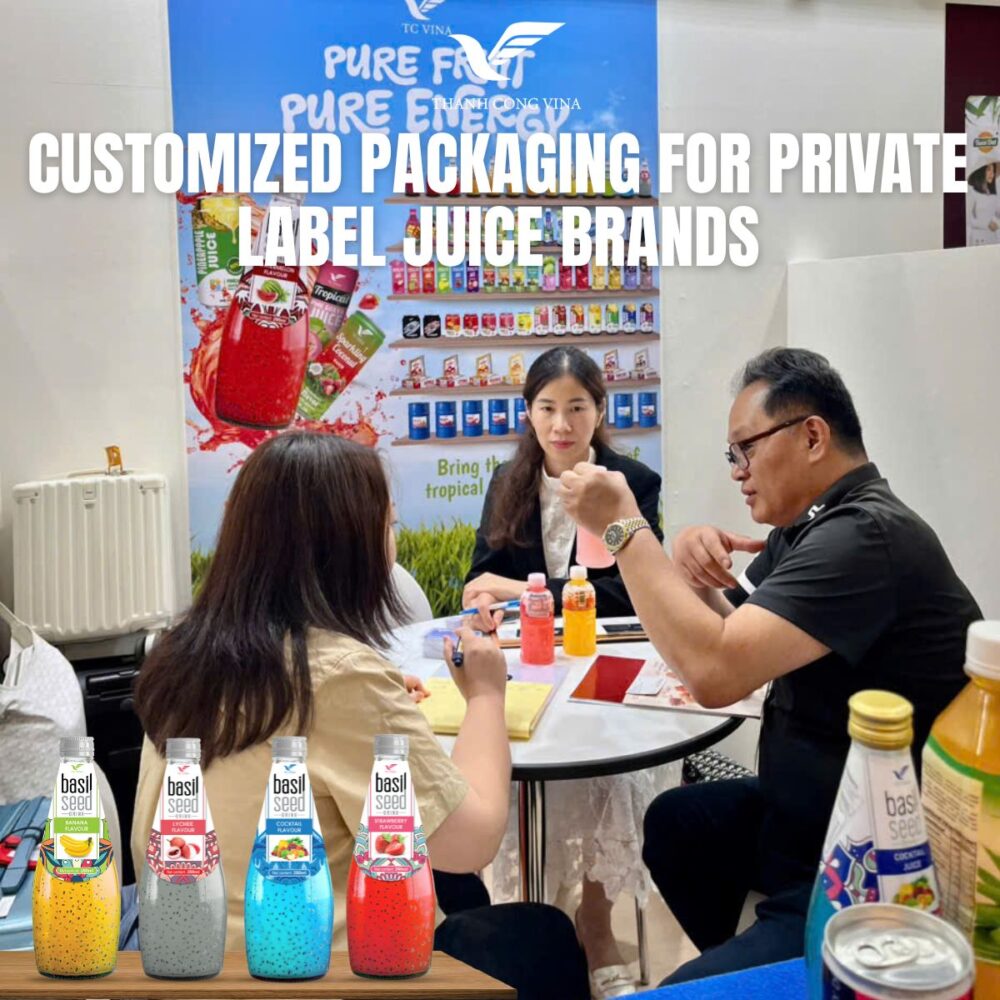
Customized Packaging for Private Label Juice Brands
Packaging is an essential part of a beverage brand because it communicates product information while protecting the contents throughout distribution. A customized beverage therefore requires careful coordination between product development and packaging.
Selecting the Right Beverage Format
Different markets may prefer different packaging formats. Juice drinks can be developed in formats such as cans, PET bottles, glass bottles, or other suitable packaging solutions depending on product specifications and commercial requirements.
Package size is another important consideration. Smaller formats can support convenience and individual consumption, while larger formats may be suitable for family use or food-service channels.
The selection should also consider transportation, shelf presentation, storage conditions, target consumers, and distribution channels.
Custom Labels and Brand Artwork
For Private Label products, packaging provides the main visual connection between the beverage and the brand. Buyers can develop customized labels, logos, colors, product names, nutritional information, and other required details.
Artwork should be prepared according to the manufacturer’s packaging specifications and the regulations of the target market. Important information may include ingredient declarations, nutrition facts, net volume, production information, storage instructions, and other mandatory labeling requirements.
Professional coordination between the brand owner, packaging supplier, and beverage manufacturer helps ensure that the final packaging is both visually consistent and technically suitable for production.
Secondary Packaging and Logistics
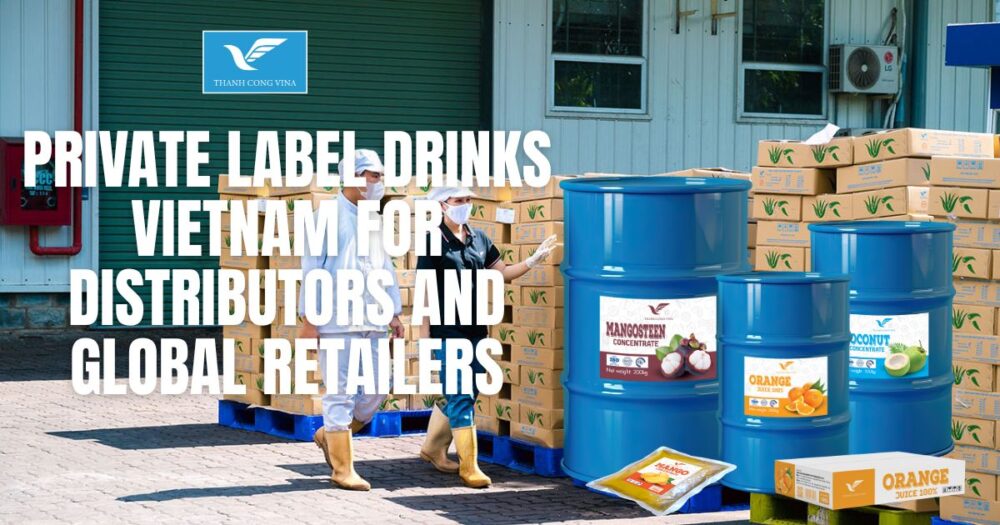
Beverage packaging does not end with the primary container. Cartons, trays, pallets, and other secondary packaging components are important for warehouse handling and transportation.
For export orders, packaging should be considered in relation to container loading efficiency. A well-planned carton configuration can help optimize available space while protecting products during international transportation.
4. Quality Control in Private Label Juice Production
Quality consistency is one of the most important factors when selecting a beverage manufacturing partner. A reliable production process should include quality controls from incoming ingredients through finished products.
Raw Material Inspection
Ingredients and packaging materials should be inspected before entering production. Depending on the ingredient, checks may cover specifications, condition, documentation, appearance, and other relevant quality parameters.
Using controlled raw materials helps establish a consistent foundation for the finished beverage.
Controlled Beverage Processing
During production, the beverage passes through defined processing and filling stages. Process parameters must be controlled according to the approved product specification.
Production teams monitor relevant factors to maintain product consistency and food safety. A structured manufacturing process is especially important when producing large commercial quantities for international distribution.
Finished Product Inspection
Finished beverages can undergo quality checks before release. Depending on the product and buyer requirements, inspections may cover appearance, taste, packaging condition, coding, quantity, and other specifications.
A systematic quality-control approach helps identify potential issues before products leave the factory.
For international brands, documentation and traceability are also important. Clear production records can support quality management and facilitate communication between the manufacturer and buyer.
5. Commercial Considerations for Private Label Juice Drinks
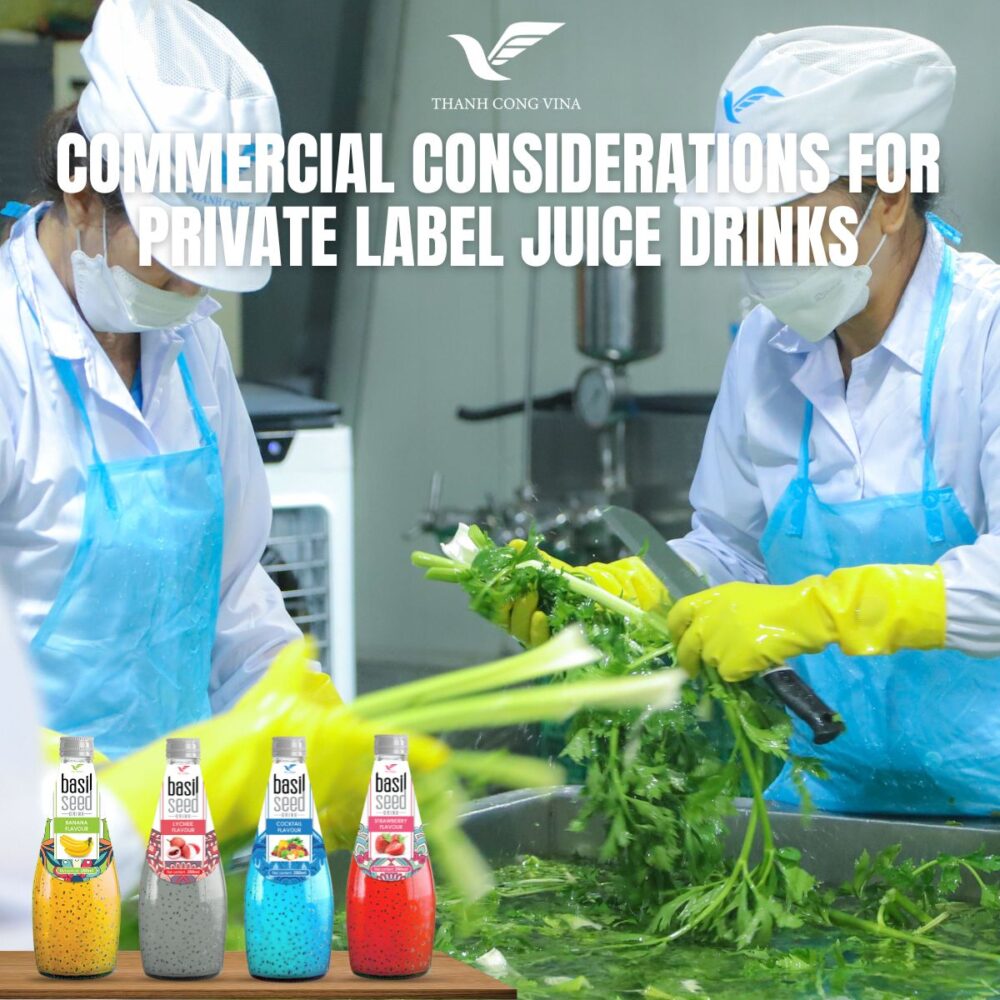
Commercial Considerations for Private Label Juice Drinks
Beyond product quality, buyers need to evaluate the commercial structure of a beverage manufacturing project. A clear understanding of minimum order quantities, costs, production schedules, and packaging requirements helps businesses plan more effectively.
Minimum Order Quantity
Minimum order quantity, commonly known as MOQ, depends on factors such as product type, packaging format, ingredients, production requirements, and customized materials.
For a new beverage brand, MOQ should be considered alongside expected market demand. Ordering too much inventory can increase storage requirements and working-capital pressure, while an overly small order may not be commercially efficient.
An experienced manufacturer can help buyers understand production requirements and plan an order quantity appropriate for the intended market launch.
Product Cost and Packaging Cost
The total cost of a juice drink includes more than the liquid itself. Ingredients, packaging, labels, cartons, production, quality control, and logistics can all contribute to the final manufacturing cost.
Brands should therefore evaluate the complete cost structure when comparing manufacturing options. A clear quotation based on agreed product specifications provides a better foundation for commercial planning.
Production Lead Time
Production schedules can vary depending on formula approval, packaging availability, raw materials, order quantity, and factory capacity.
Planning should begin early enough to accommodate product development, packaging preparation, production, inspection, and export arrangements. This is particularly important for brands preparing for seasonal launches or promotional campaigns.
6. Export-Ready Beverage Manufacturing for Global Markets
International beverage distribution requires attention to regulatory and logistical requirements. A manufacturer supporting export-oriented brands should understand that production is only one part of the supply chain.
Understanding Destination-Market Requirements
Different countries and regions may have different requirements for food labeling, ingredients, packaging, documentation, and product registration.
Before production, buyers should clearly identify the requirements of their destination market. Product specifications can then be reviewed to determine whether additional documentation, labeling information, or testing is necessary.
Export Documentation
Depending on the destination and commercial arrangement, export shipments may require various documents related to the product, origin, quality, and transportation.
A well-organized manufacturing partner can coordinate relevant production and shipment information with the buyer and logistics providers.
Container Loading and Shipment Planning
Beverage products are often transported in large commercial quantities, making container planning an important part of the purchasing process.
Carton dimensions, pallet configuration, product weight, loading capacity, and destination requirements can all affect shipment planning. Efficient coordination helps reduce avoidable logistical issues and supports smoother international distribution.
7. Building a Long-Term Juice Beverage Portfolio
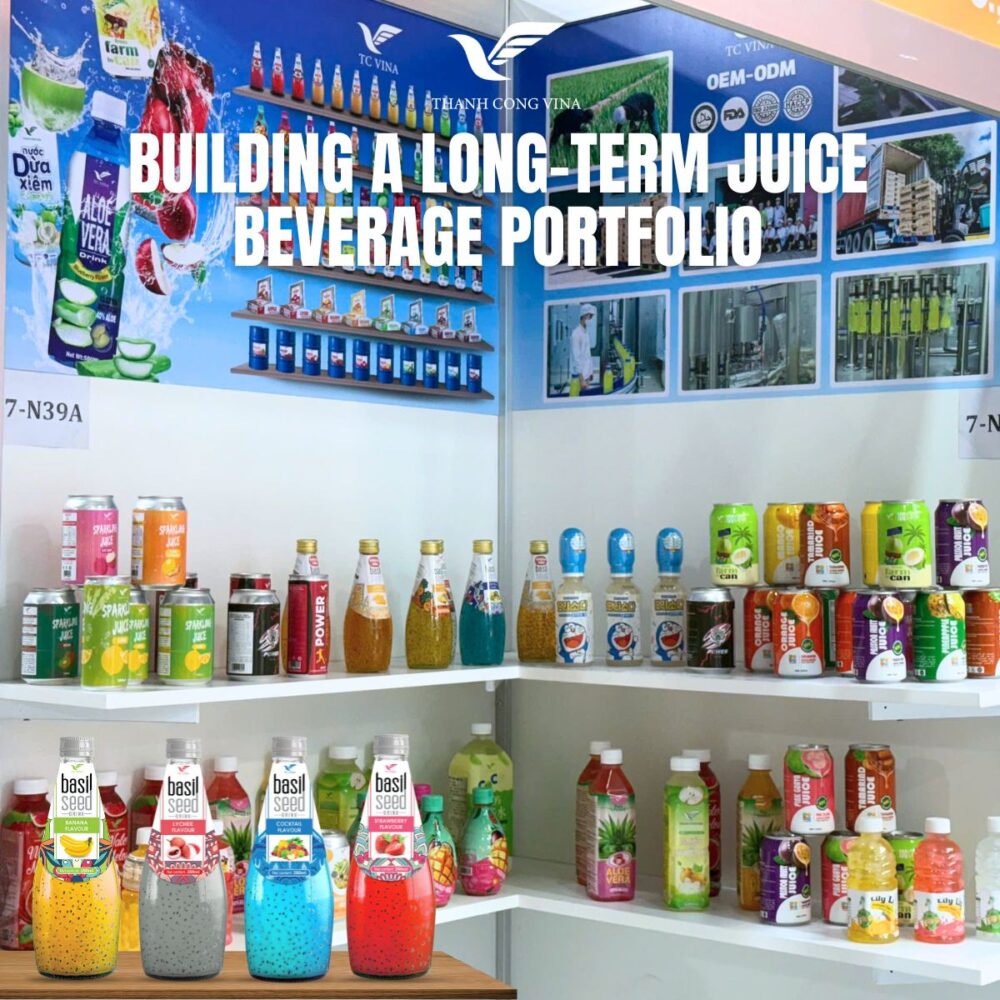
Building a Long-Term Juice Beverage Portfolio
A Private Label project does not have to remain limited to one product. Once a successful product has been established, brands can gradually expand their portfolio.
Expanding Flavor Options
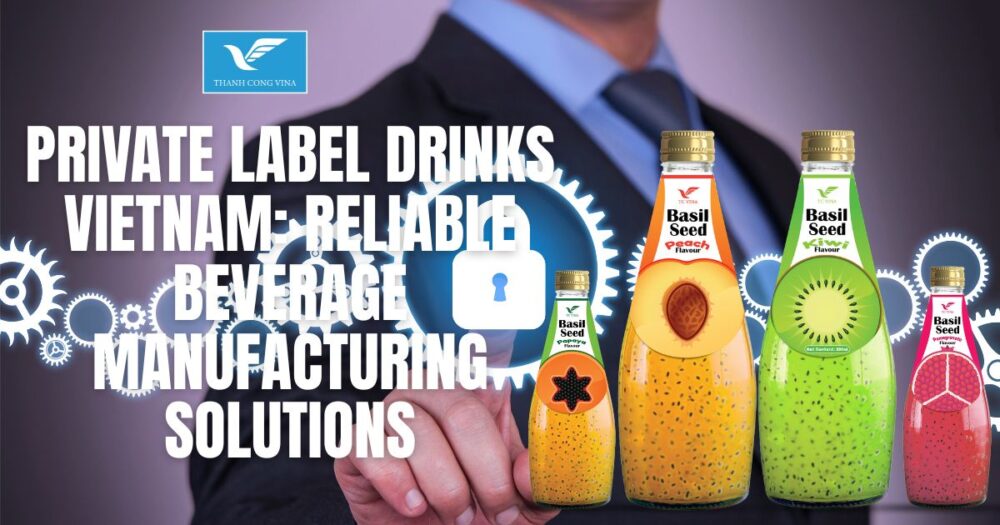
A brand can introduce additional flavors based on market response. For example, a tropical beverage line could expand from mango and pineapple into passion fruit, guava, orange, peach, or other fruit combinations.
A broader portfolio can provide retailers and distributors with more product options while maintaining a consistent brand identity.
Developing Different Package Sizes
Different retail channels may require different packaging formats. Convenience stores, supermarkets, food-service businesses, and online retailers can have different expectations regarding package size and presentation.
Developing several formats can allow a brand to adapt its portfolio to multiple distribution channels.
Scaling Production with Market Growth
As sales increase, manufacturing requirements may change. Larger production volumes, additional SKUs, new packaging formats, and broader export destinations may become necessary.
Working with a manufacturer capable of supporting product development and commercial production can make this transition more manageable. Instead of changing suppliers whenever the brand expands, businesses can potentially build a longer-term manufacturing relationship.
8. Why Choose Thanh Cong Vina for Custom Juice Manufacturing?
For international businesses looking to develop customized juice drinks, the manufacturing partner plays an important role in product quality, production consistency, and supply-chain coordination.
Thanh Cong Vina provides beverage manufacturing solutions designed for brands, distributors, importers, and businesses seeking customized products for domestic and international markets. Its capabilities cover product development, beverage processing, customized packaging, quality control, and export-oriented production support.
The company can support different beverage concepts, including fruit juice drinks, coconut water beverages, aloe vera drinks, concentrated juices, and other customized beverage products.
For Private Label projects, the ability to coordinate multiple stages through one manufacturing partner can simplify communication and improve production planning. Buyers can discuss product concepts, packaging requirements, order specifications, and export needs within an integrated manufacturing process.
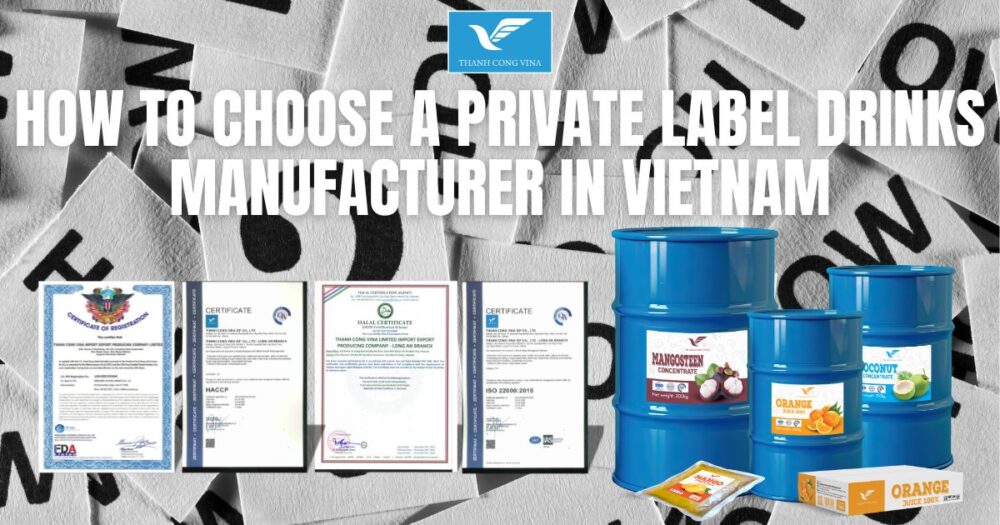
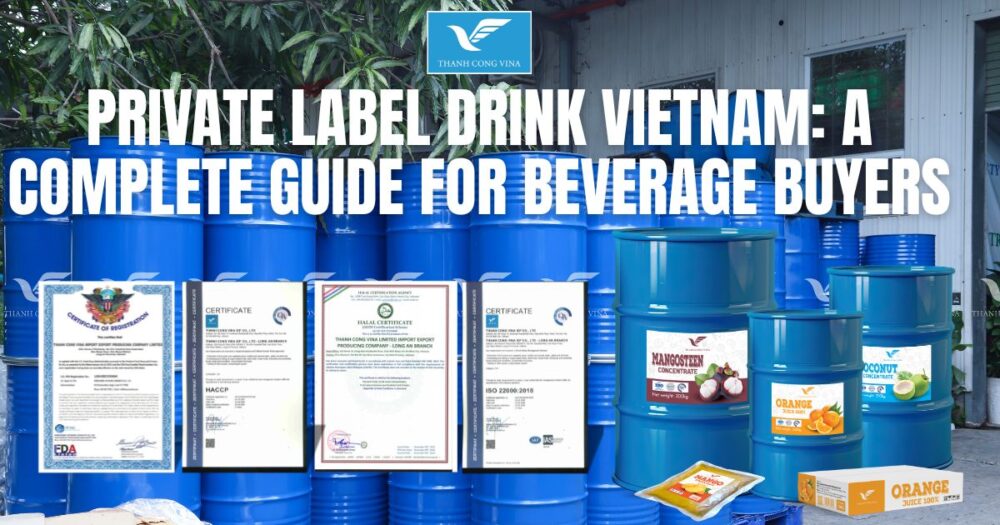
Quality and food safety are also important components of the production approach. Manufacturing systems can be aligned with recognized food-safety and quality-management standards, depending on product and market requirements.
For businesses seeking to establish a new juice brand or expand an existing beverage portfolio, customized manufacturing offers an opportunity to develop products around specific market requirements rather than relying solely on standardized products.
Conclusion
The demand for customized juice beverages continues to create opportunities for brands seeking distinctive products, flexible packaging, and reliable manufacturing support. Private Label production enables importers, distributors, retailers, and emerging beverage companies to develop products under their own brand while accessing professional manufacturing capabilities in Vietnam. From fruit ingredient selection and formula development to sampling, packaging, quality control, production, and export preparation, each stage contributes to the success of the final product.
Choosing a capable manufacturing partner is therefore an important part of building a sustainable beverage business. With customized development and export-oriented production solutions, Thanh Cong Vina can support businesses in transforming beverage concepts into commercial products designed for different international markets. For brands seeking a reliable and flexible Private Label juice manufacturing partner, Thanh Cong Vina provides an integrated approach focused on product development, manufacturing consistency, quality control, and long-term business growth.