
Juice Concentrate OEM has become one of the fastest-growing manufacturing models in the global beverage industry. As beverage brands expand into competitive domestic and international markets, many companies face an important decision: should they choose a private label solution or invest in a customized OEM partnership? Although both business models allow companies to launch products without building their own factories, they differ significantly in product development, ownership, flexibility, production processes, and long-term business strategies.
Understanding these differences is essential for startups, distributors, retailers, and established beverage companies looking to maximize profitability and strengthen brand identity. Choosing the right manufacturing approach affects production costs, product uniqueness, speed to market, and competitive positioning. This article explains the major differences between private label manufacturing and Juice Concentrate OEM, helping beverage businesses determine which solution best supports their growth objectives and long-term success.
1. Understanding Private Label Manufacturing
Understanding Private Label Manufacturing
What Is Private Label Production?
Private label manufacturing allows businesses to purchase ready-made beverage formulations that are produced by an established manufacturer and sold under the buyer’s own brand name. Instead of creating a completely unique recipe, customers typically select from existing formulations already developed by the manufacturer.
This model is particularly attractive for retailers, supermarket chains, wholesalers, and new beverage companies that want to launch products quickly with minimal research and development investment.
Private label production significantly reduces product development time while lowering technical complexity. Since the manufacturing process has already been optimized, brands can focus their efforts on packaging design, marketing strategies, distribution channels, and customer acquisition.
For businesses seeking a rapid market entry, private label production offers a practical and cost-effective solution.
Advantages and Limitations
Private label manufacturing offers shorter lead times, reduced development costs, simplified production planning, and lower investment requirements.
However, product customization opportunities are generally limited because the formulas already exist. Multiple brands may sell nearly identical products with different packaging, making market differentiation more difficult.
Companies seeking highly distinctive beverages often require greater manufacturing flexibility than private label production can provide.
2. Why Juice Concentrate OEM Creates Stronger Brand Identity
Customized Product Development
Unlike private label production, Juice Concentrate OEM enables brands to create completely customized beverages based on their own product concepts, target markets, and consumer preferences.
Professional OEM manufacturers collaborate closely with customers throughout research and development to design unique formulations. Variables such as fruit combinations, sweetness levels, acidity, functional ingredients, nutritional values, color, aroma, texture, and packaging specifications can all be customized.
This level of flexibility allows brands to introduce exclusive products that cannot easily be replicated by competitors.
Customized development creates stronger product differentiation and enhances long-term brand value.
Full Control Over Product Specifications
One of the greatest advantages of Juice Concentrate OEM is the ability to control virtually every aspect of product development.
Customers participate in selecting ingredients, defining quality standards, determining packaging formats, establishing shelf-life requirements, and approving final product samples before commercial production begins.
Greater control results in products that better reflect brand identity while meeting specific customer expectations across different international markets.
3. Product Development Process: Private Label vs Juice Concentrate OEM
Product Development Process: Private Label vs Juice Concentrate OEM
Speed to Market
Private label products generally reach the market faster because existing formulations require little or no additional development.
Businesses simply choose available recipes, customize packaging, and begin production.
In contrast, Juice Concentrate OEM projects involve research, laboratory testing, formulation adjustments, pilot production, customer evaluations, and final approvals before large-scale manufacturing begins.
Although OEM development requires additional time, it produces highly differentiated products with greater long-term market potential.
The choice depends largely on business priorities between speed and uniqueness.
Research and Innovation
Innovation opportunities differ substantially between the two models.
Private label production focuses primarily on operational efficiency and standardized manufacturing.
Meanwhile, Juice Concentrate OEM encourages continuous innovation through collaborative research, ingredient optimization, flavor development, nutritional improvements, and consumer trend analysis.
OEM manufacturers invest heavily in technical expertise that supports customized product innovation.
This collaborative approach enables beverage brands to respond quickly to changing market demands.
4. Investment and Cost Comparison
Initial Investment Requirements
Private label manufacturing generally requires lower initial investment because product development has already been completed.
Businesses avoid research expenses, laboratory testing costs, and extensive formulation work.
Conversely, Juice Concentrate OEM involves greater upfront investment due to customized development activities, product testing, and technical support.
However, these investments often generate higher long-term returns through product exclusivity and stronger competitive positioning.
Companies should evaluate investment decisions based on long-term business objectives rather than short-term costs alone.
Long-Term Financial Value
Although OEM development costs may initially appear higher, customized products frequently generate stronger profit margins.
Exclusive formulations reduce direct competition while increasing perceived product value.
Professional Juice Concentrate OEM manufacturers also help optimize production efficiency, reducing manufacturing costs over time.
Long-term profitability often outweighs initial development investments.
5. Quality Management and Manufacturing Control
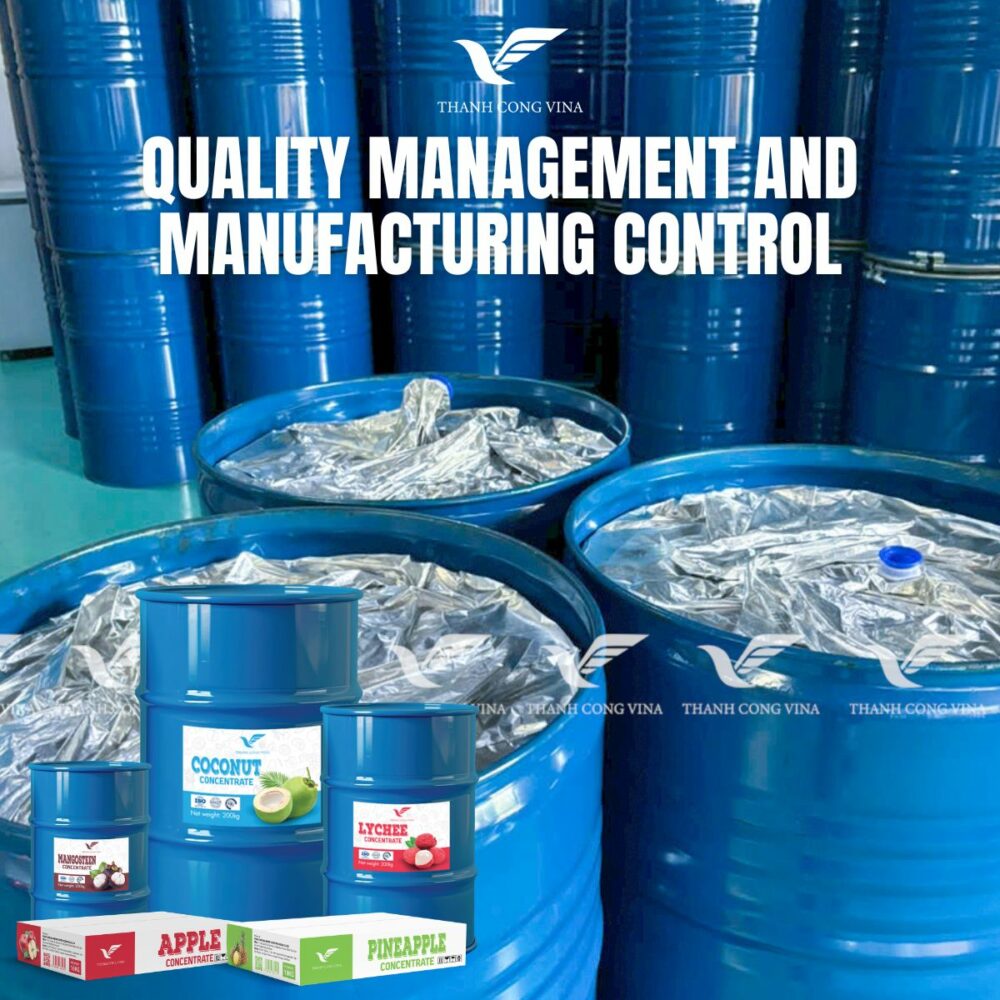
Quality Management and Manufacturing Control
Standardized Production Systems
Both manufacturing models rely on modern production facilities and international quality standards.
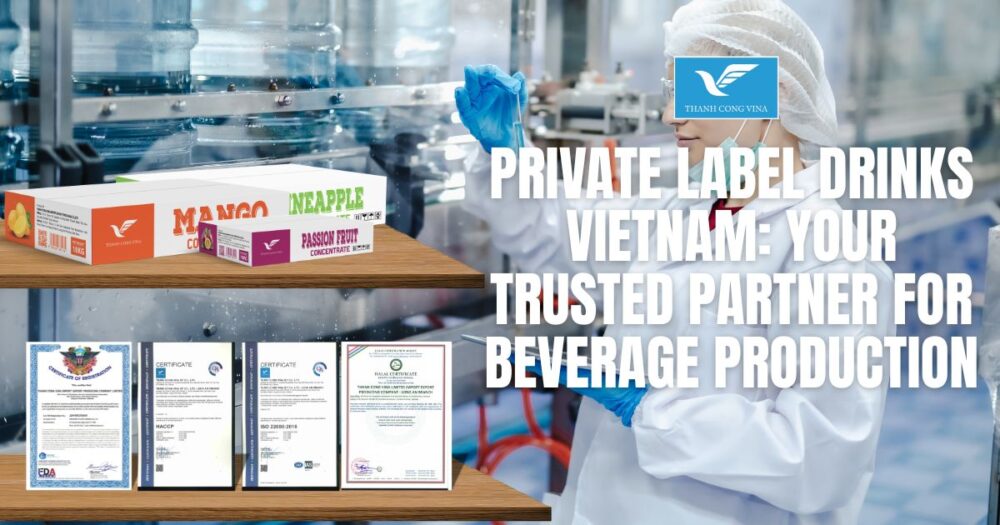
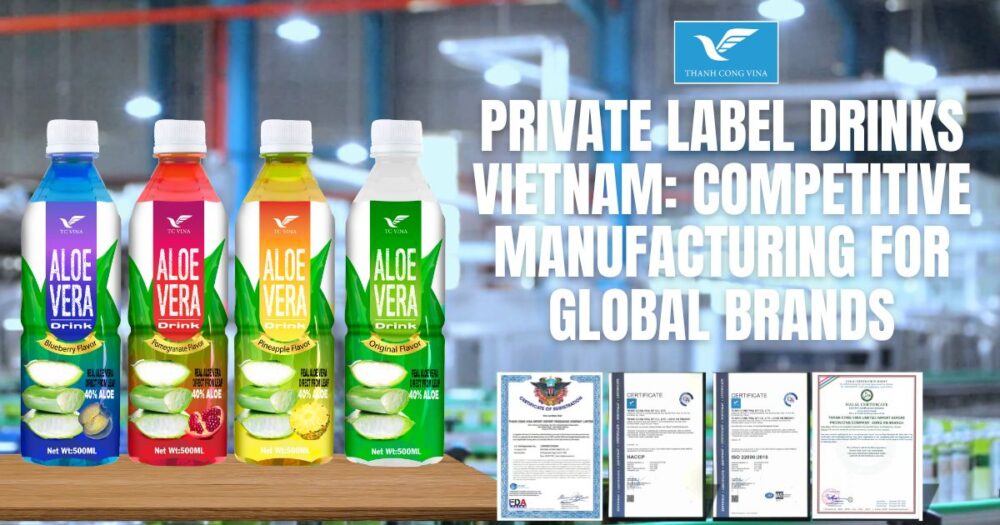
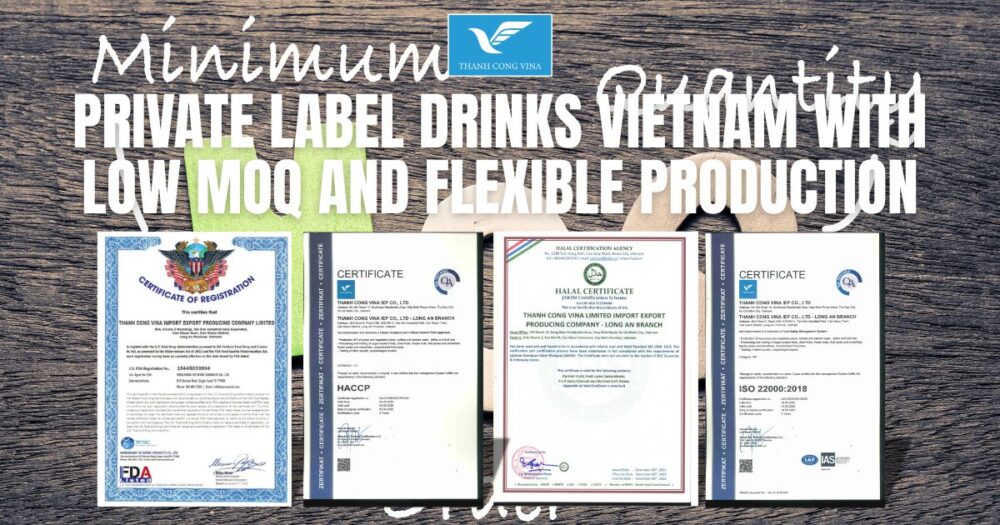
Professional Juice Concentrate OEM manufacturers typically operate under certifications such as HACCP, ISO 22000, GMP, HALAL, Kosher, and FDA registration.
These systems ensure food safety, operational consistency, and regulatory compliance.
Standardized procedures minimize production variability and strengthen customer confidence.
Quality remains a priority regardless of manufacturing model.
Greater Flexibility in OEM Production
While private label products follow standardized manufacturing procedures, Juice Concentrate OEM projects offer greater production flexibility.
Manufacturers can modify formulations, packaging, ingredient ratios, processing methods, and quality specifications according to customer requirements.
This adaptability allows brands to introduce innovative products that better align with evolving consumer preferences.
Flexibility creates long-term competitive advantages.
6. Which Business Model Fits Different Types of Companies?
Private Label for Rapid Market Entry
Retailers, supermarkets, wholesalers, and startup beverage brands often benefit from private label production.
The simplified development process allows businesses to launch products quickly while minimizing technical complexity and investment risks.
Private label solutions are especially suitable for companies prioritizing operational efficiency and fast commercialization.
They provide a practical entry point into competitive beverage markets.
Juice Concentrate OEM for Long-Term Brand Growth
Companies seeking sustainable growth, product innovation, and international expansion typically choose Juice Concentrate OEM.
Customized manufacturing supports premium positioning, stronger intellectual property, improved customer loyalty, and higher profit potential.
OEM partnerships provide greater strategic flexibility as businesses continue expanding product portfolios and entering new markets.
Long-term growth strategies often benefit significantly from OEM collaboration.
7. Future Trends in Beverage Manufacturing
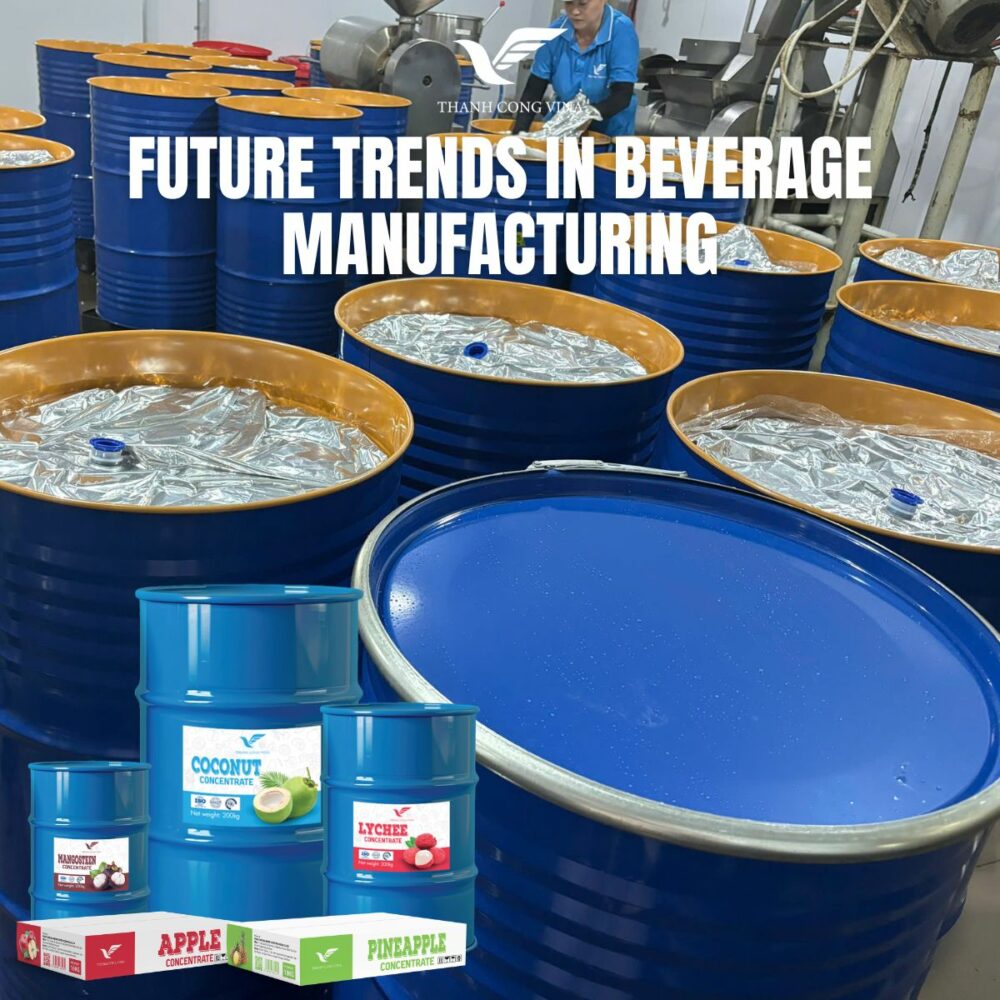
Future Trends in Beverage Manufacturing
Increasing Demand for Customization
Consumers increasingly expect personalized beverages that offer unique flavors, healthier ingredients, and functional benefits.
Professional Juice Concentrate OEM manufacturers are responding by expanding research capabilities and developing innovative formulations that meet evolving market expectations.
Customization is expected to become an even more important competitive factor during the coming years.
Manufacturers investing in innovation will strengthen their market leadership.
Expanding Global OEM Partnerships
As international beverage markets continue growing, demand for experienced OEM manufacturers will increase significantly.
More global brands are choosing Juice Concentrate OEM partnerships to reduce operational costs, accelerate innovation, improve product quality, and strengthen supply chain flexibility.
OEM manufacturing will continue shaping the future of beverage production worldwide.
Conclusion
Both private label manufacturing and Juice Concentrate OEM offer valuable opportunities for beverage businesses, but they serve different strategic objectives. Private label production emphasizes speed, operational simplicity, and lower initial investment, making it suitable for companies seeking rapid market entry. In contrast, OEM manufacturing focuses on customization, innovation, product differentiation, and long-term brand development. Businesses should carefully evaluate their growth strategies, competitive positioning, and customer expectations before selecting the most appropriate manufacturing model.
TCVina has extensive experience supporting beverage brands through advanced OEM manufacturing services, modern production technologies, and internationally recognized quality management systems. By combining technical expertise, customized product development, and reliable export capabilities, Thanh Cong Vina helps customers create premium beverage products that compete successfully in global markets. Companies looking for flexible manufacturing solutions and sustainable business growth can confidently partner with Thanh Cong Vina for professional Juice Concentrate OEM services and long-term success through innovative Juice Concentrate OEM solutions.